

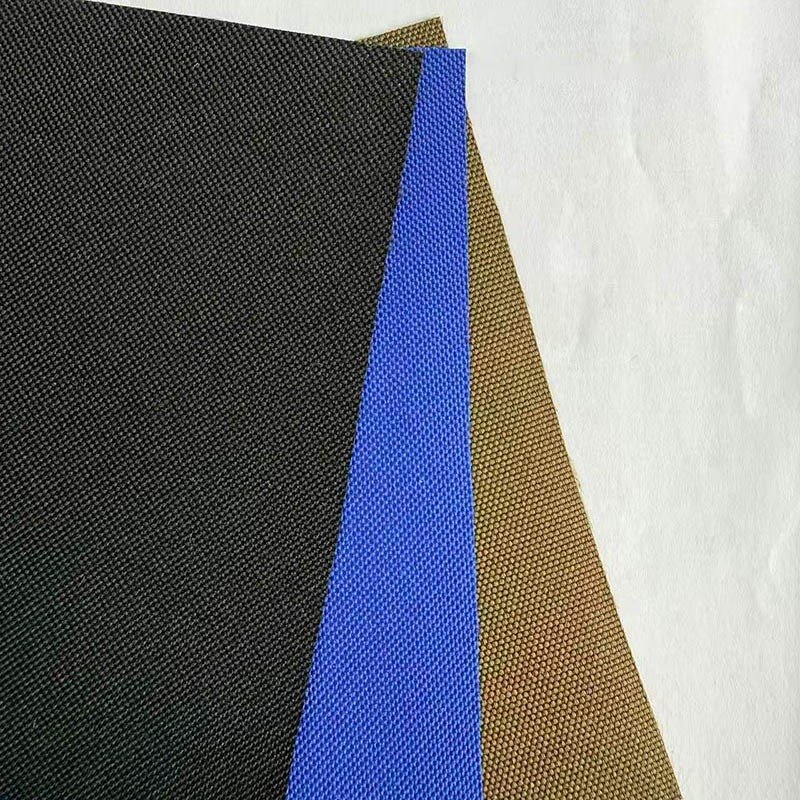
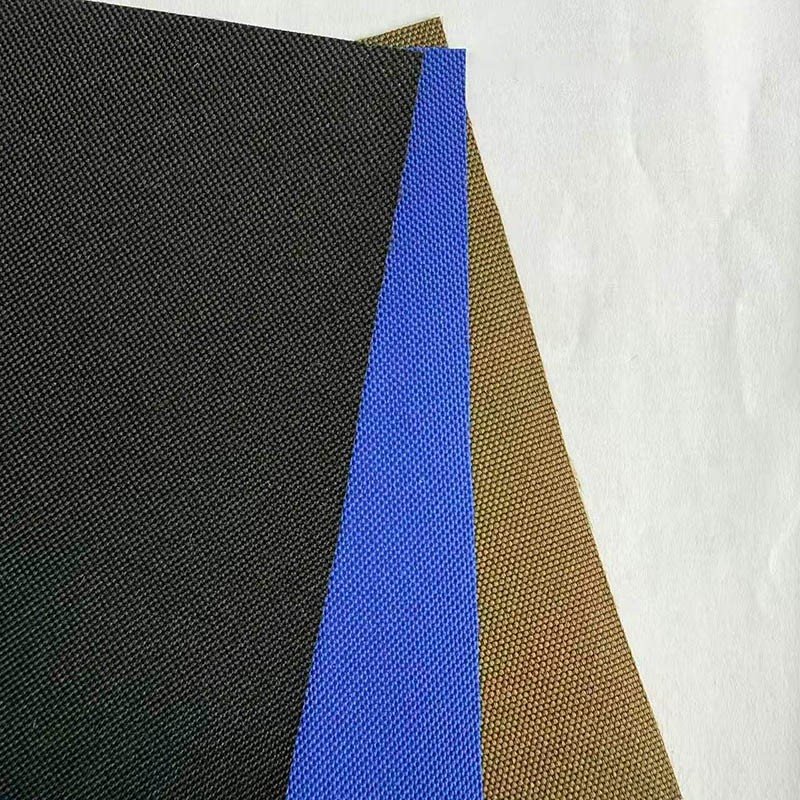
PA-coated non-woven fabric is a versatile material that combines the advantages of non-woven fabric with the protective properties of a polyamide (PA) coating. As a supplier of PA-coated Non-woven Fabric, I often receive inquiries about its potential treatments, including the application of anti-mosquito agents. In this blog, we will explore the feasibility and implications of treating PA-coated non-woven fabric with anti-mosquito agents.
Understanding PA-coated Non-woven Fabric
Before delving into the topic of anti-mosquito treatments, it is essential to understand the characteristics of PA-coated non-woven fabric. Non-woven fabric is made by bonding or interlocking fibers together through mechanical, chemical, or thermal processes, rather than by weaving or knitting. This results in a fabric that is lightweight, breathable, and cost-effective.
The PA coating adds an extra layer of protection to the non-woven fabric, enhancing its durability, water resistance, and abrasion resistance. The coating also provides a smooth and even surface, making the fabric suitable for a wide range of applications, including outdoor gear, protective clothing, and medical supplies.
The Need for Anti-mosquito Treatments
Mosquitoes are not only a nuisance but also carry a variety of diseases, such as malaria, dengue fever, and Zika virus. In regions where mosquito-borne diseases are prevalent, there is a growing demand for anti-mosquito products to protect individuals from mosquito bites.
Treating PA-coated non-woven fabric with anti-mosquito agents can provide an additional layer of protection for users of products made from this fabric. For example, outdoor clothing, tents, and mosquito nets can be treated to repel mosquitoes, reducing the risk of mosquito bites and the transmission of diseases.
Feasibility of Treating PA-coated Non-woven Fabric with Anti-mosquito Agents
The feasibility of treating PA-coated non-woven fabric with anti-mosquito agents depends on several factors, including the type of anti-mosquito agent, the coating process, and the compatibility of the agent with the PA coating.
Types of Anti-mosquito Agents
There are several types of anti-mosquito agents available on the market, including natural and synthetic compounds. Natural anti-mosquito agents, such as citronella oil, eucalyptus oil, and lemon grass oil, are derived from plants and are generally considered safe for use on the skin. Synthetic anti-mosquito agents, such as DEET (N,N-diethyl-meta-toluamide), picaridin, and permethrin, are more effective and have a longer duration of action.
Coating Process
The coating process used to apply the anti-mosquito agent to the PA-coated non-woven fabric is crucial for ensuring its effectiveness and durability. There are several coating methods available, including dip coating, spray coating, and padding.
Dip coating involves immersing the fabric in a solution containing the anti-mosquito agent, allowing the agent to penetrate the fabric, and then drying the fabric to remove the solvent. Spray coating involves spraying the anti-mosquito agent onto the surface of the fabric using a spray gun, while padding involves applying the agent to the fabric using a padder.
Compatibility of the Agent with the PA Coating
The compatibility of the anti-mosquito agent with the PA coating is also an important consideration. Some anti-mosquito agents may react with the PA coating, causing it to degrade or lose its protective properties. Therefore, it is essential to select an anti-mosquito agent that is compatible with the PA coating and does not affect its performance.
Advantages of Treating PA-coated Non-woven Fabric with Anti-mosquito Agents
Treating PA-coated non-woven fabric with anti-mosquito agents offers several advantages, including:
Enhanced Protection
The use of anti-mosquito agents on PA-coated non-woven fabric can provide an additional layer of protection against mosquito bites, reducing the risk of mosquito-borne diseases.
Durability
The PA coating on the non-woven fabric provides a protective barrier that helps to retain the anti-mosquito agent, ensuring its effectiveness over an extended period. This makes the treated fabric suitable for repeated use and long-term protection.
Versatility
PA-coated non-woven fabric can be treated with anti-mosquito agents and used in a variety of applications, including outdoor clothing, tents, mosquito nets, and protective gear. This versatility makes it a popular choice for manufacturers and consumers alike.
Challenges and Considerations
While treating PA-coated non-woven fabric with anti-mosquito agents offers many benefits, there are also some challenges and considerations to keep in mind.
Environmental Impact
Some synthetic anti-mosquito agents, such as DEET and permethrin, can have a negative impact on the environment. These agents can persist in the environment for a long time and can be toxic to aquatic organisms and other wildlife. Therefore, it is important to consider the environmental impact of the anti-mosquito agent when selecting a treatment for the PA-coated non-woven fabric.
Regulatory Requirements
The use of anti-mosquito agents on fabrics is subject to regulatory requirements in many countries. Before treating PA-coated non-woven fabric with an anti-mosquito agent, it is important to ensure that the agent complies with all relevant regulations and standards.
Cost
Treating PA-coated non-woven fabric with anti-mosquito agents can increase the cost of the fabric. This increase in cost may be a deterrent for some manufacturers and consumers, especially in price-sensitive markets.
Other Applications and Related Products
In addition to anti-mosquito treatments, PA-coated non-woven fabric has a wide range of other applications. For example, PU-coated Oxford Cloth is another popular fabric that offers similar protective properties but with a different coating material. This type of cloth is often used in high - end outdoor gear and luggage.
UV Resistant Non Woven Fabric is also a related product. It can be used in outdoor applications where protection from the sun's harmful UV rays is required, such as in awnings and sunshades.
Our Black PA-coated Non-woven Fabric is not only aesthetically pleasing but also offers the same durability and protective features as other PA-coated non-woven fabrics. It can be used in fashion items, as well as in industrial applications.
Moreover, Breathable Water Resistant Fabric meets the needs of applications where both breathability and water resistance are crucial, such as in sports apparel and outdoor shelters.
Conclusion
In conclusion, treating PA-coated non-woven fabric with anti-mosquito agents is a feasible and effective way to enhance its protective properties. By carefully selecting the anti-mosquito agent, the coating process, and ensuring compatibility with the PA coating, manufacturers can produce high-quality products that offer reliable protection against mosquito bites.
As a supplier of PA-coated Non-woven Fabric, we are committed to providing our customers with innovative solutions. If you are interested in exploring the possibility of using anti-mosquito treated PA-coated non-woven fabric for your products or have any questions about our products, we invite you to reach out to us for a detailed discussion and potential purchase.
References
- "Mosquito-Borne Diseases: A Global Overview." World Health Organization.
- "Nonwoven Fabric Technology: Principles and Practice." Spencer X. Sun, CRC Press.
- "Textile Coating and Laminating." A. R. Horrocks, Woodhead Publishing.