

Yo! As a supplier of 300D PE Coated Oxford Fabric, I've gotten a ton of questions about the anti - pilling performance of our fabric. So, I thought I'd write this blog to break it down for you guys.
Understanding 300D PE Coated Oxford Fabric
First things first, let's have a quick look at what 300D PE Coated Oxford Fabric is. The "300D" refers to the denier of the fabric. Denier is a unit that measures the fineness of fibers. A 300D fabric means that the yarn used to make it has a certain thickness. Higher denier usually means stronger and more durable fibers, but it's not the only factor affecting a fabric's performance.
The "PE coated" part means that the Oxford fabric is coated with polyethylene (PE). This coating adds a bunch of cool features to the fabric like water - resistance, enhanced strength, and protection against abrasion. Oxford fabric, on its own, is known for its strength and weave pattern that gives it a distinctive look.
What is Anti - Pilling?
Pilling is a common problem with fabrics. It happens when the fibers on the surface of the fabric start to break and tangle up, forming little balls called pills. This can make the fabric look old, worn - out, and less appealing. Anti - pilling performance is how well a fabric can resist this pilling process.
For many applications, having good anti - pilling performance is super important. Think about outdoor gear like tents, backpacks, or even furniture upholstery. If the fabric starts to pill after a short period of use, it not only looks bad but can also affect the fabric's overall durability and functionality.
Anti - Pilling Performance of 300D PE Coated Oxford Fabric
Now, let's get to the main point - how well does our 300D PE Coated Oxford Fabric perform in terms of anti - pilling?
Fiber Quality
The fibers used in our 300D PE Coated Oxford Fabric are of high quality. They're strong and resistant to breakage. When the fibers are less likely to break, there are fewer loose fibers on the surface of the fabric that can form pills. Our manufacturing process ensures that the fibers are well - woven together, which further reduces the chances of individual fibers coming loose.
PE Coating
The polyethylene coating on our fabric plays a huge role in its anti - pilling performance. The coating acts as a protective layer on the surface of the fabric. It smooths out the surface, making it harder for the fibers to rub against each other and cause pilling. The PE coating also adds a bit of stiffness to the fabric, which helps keep the fibers in place and reduces their movement that could lead to pilling.
Testing Results
We've conducted a bunch of tests on our 300D PE Coated Oxford Fabric to evaluate its anti - pilling performance. In these tests, we simulated different levels of abrasion and friction that the fabric might experience in real - world use. The results were really promising. Our fabric showed a much lower rate of pilling compared to similar uncoated or poorly coated fabrics in the market. After a significant amount of abrasion, there were only a few minimal pills on the surface, which is a great sign of its durability and anti - pilling ability.
Comparing with Other Coated Fabrics
When it comes to anti - pilling performance, it's also interesting to compare our 300D PE Coated Oxford Fabric with 300D TPE Coated Oxford Fabric, Pu Coated Waterproof Fabric, Pa Coated Fabric and Pvc Coated Oxford Fabric.
300D TPE Coated Oxford Fabric
TPE (Thermoplastic Elastomer) coated fabrics are known for their flexibility. However, the TPE coating may not be as effective in preventing pilling as the PE coating on our fabric. The nature of TPE might allow for more fiber movement, increasing the chances of pilling over time.
Pu Coated Waterproof Fabric
Pu (Polyurethane) coating gives fabric great waterproof properties. But in terms of anti - pilling, our 300D PE Coated Oxford Fabric has the upper hand. The PE coating is more resistant to abrasion, which is a key factor in pilling. The Pu coating can sometimes wear off under heavy use, exposing the fibers and leading to more pilling.
Pa Coated Fabric
Pa (Polyamide) coated fabrics are strong, but they can be prone to pilling. The PE coating on our 300D fabric forms a more stable protective layer, reducing the risk of pilling compared to Pa coated fabrics.
Pvc Coated Oxford Fabric
PVC (Polyvinyl Chloride) coated fabrics are popular for their water - resistance. However, the PVC coating may crack over time or under certain conditions. When this happens, the fabric beneath becomes more vulnerable to pilling, while our PE coated fabric maintains its integrity and anti - pilling performance.
Applications Benefitting from Good Anti - Pilling Performance
The excellent anti - pilling performance of our 300D PE Coated Oxford Fabric makes it suitable for a wide range of applications.
Outdoor Gear
For outdoor tents and backpacks, the fabric needs to withstand a lot of wear and tear. With great anti - pilling performance, our fabric can look good and last longer, even after being dragged through rough terrains and exposed to various weather conditions.
Furniture Upholstery
In furniture upholstery, people often sit, move, and rub against the fabric. Good anti - pilling means the furniture will look new and clean for a longer time, adding to its aesthetic appeal.
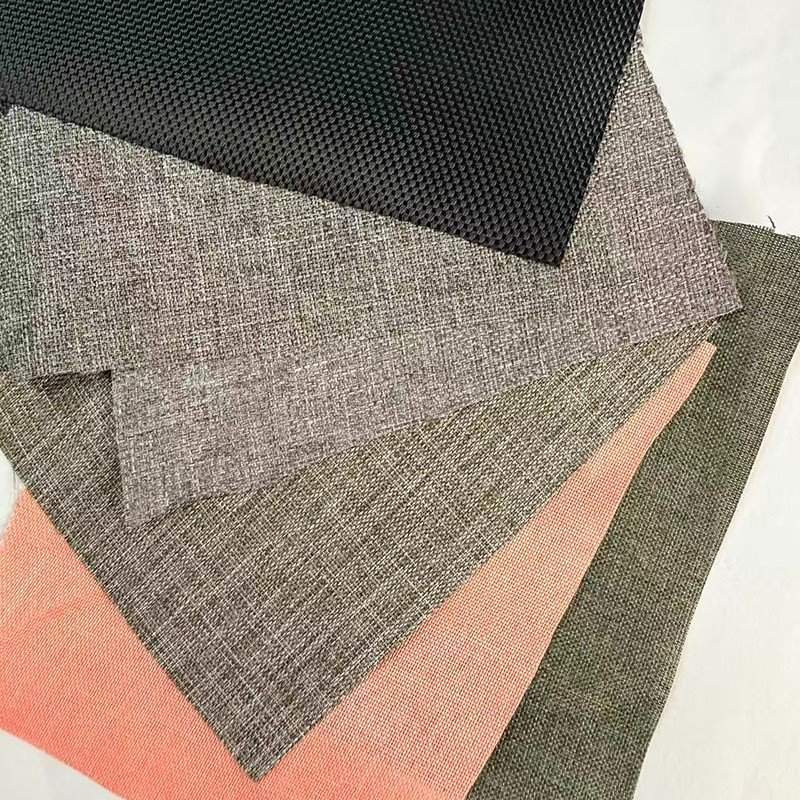
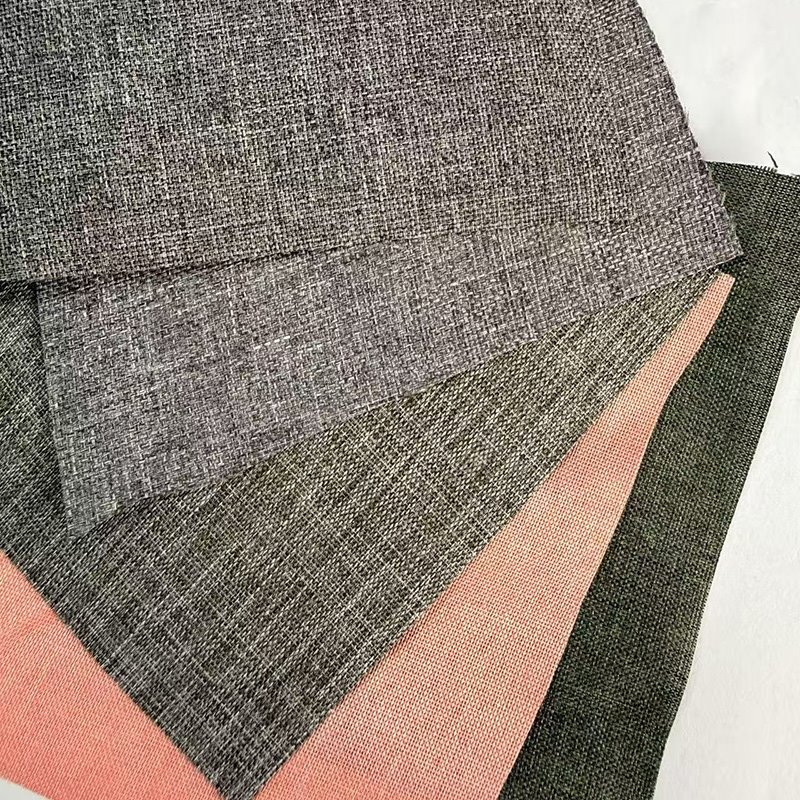
Industrial Use
In industrial settings where the fabric is used for covers or protective barriers, anti - pilling is crucial. It ensures that the fabric maintains its functionality and doesn't shed pills that could potentially contaminate the working environment.
Wrapping It Up and Invitation to Purchase
In conclusion, our 300D PE Coated Oxford Fabric offers outstanding anti - pilling performance due to its high - quality fibers and the protective PE coating. Whether you're making outdoor gear, furniture upholstery, or using it for industrial purposes, this fabric is a great choice.
If you're looking for a reliable fabric with excellent anti - pilling properties, don't hesitate to reach out to discuss your requirements. You can check out more about 300D PE Coated Oxford Fabric on our website. We're always here to help you find the right fabric solution for your needs. Let's start the conversation and see how we can work together!
References
- "Textile Testing Manual", published by a leading textile research institution
- Industry reports on fabric performance and durability