

Hey there! As a supplier of Pa Coating On Fabric, I often get asked if Pa coating can be applied to natural fabrics. It's a super interesting question, and today, I'm gonna dive deep into this topic to give you all the deets.
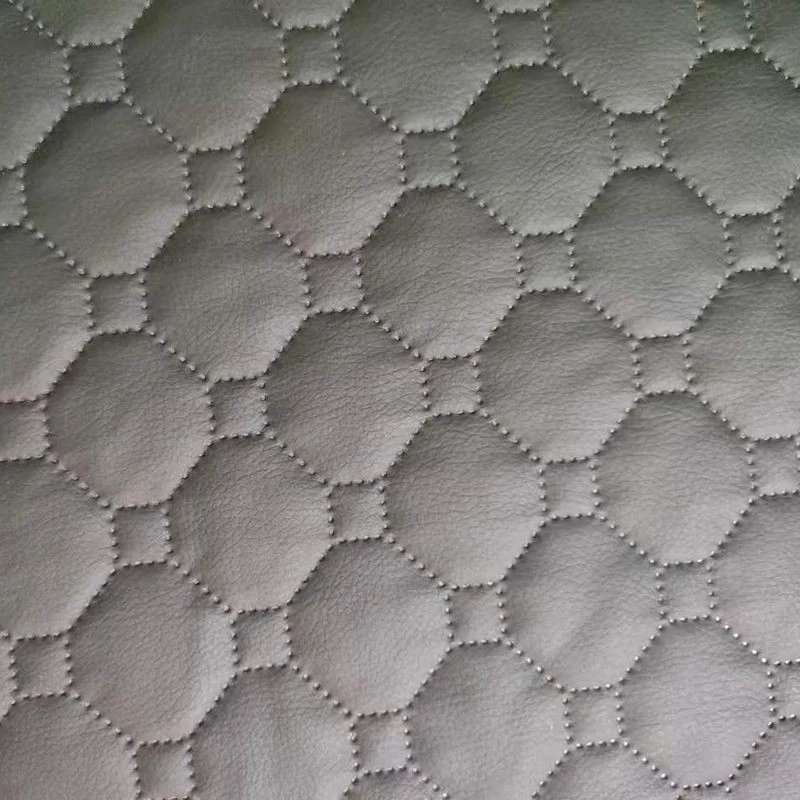

First off, let's talk a bit about what Pa coating is. Pa, or Polyamide, is a synthetic polymer that has some really cool properties. It's known for its durability, abrasion resistance, and water resistance. These features make it a popular choice for coating fabrics in various industries, from outdoor gear to fashion.
Now, when it comes to natural fabrics, things get a bit more complicated. Natural fabrics, like cotton, wool, silk, and linen, have their own unique characteristics. They're breathable, comfortable, and often have a more luxurious feel compared to synthetic fabrics. But can they handle a Pa coating?
The Compatibility of Pa Coating and Natural Fabrics
The short answer is yes, Pa coating can be applied to natural fabrics. However, there are several factors to consider before you go ahead with the process.
1. Fabric Structure
Natural fabrics have different structures. For example, cotton is made up of cellulose fibers that are porous and absorbent. Wool, on the other hand, has a scaly surface and unique crimp. These structural differences can affect how well the Pa coating adheres to the fabric.
When applying Pa coating to cotton, the porous nature of the fibers can actually be an advantage. The coating can penetrate the fibers to some extent, creating a stronger bond. But with wool, the scaly surface might require some pre - treatment to ensure proper adhesion.
2. Heat Sensitivity
Pa coating usually involves a heat - curing process. Natural fabrics have different heat sensitivities. Cotton can withstand relatively high temperatures during the coating process, but silk and wool are more delicate and can be damaged by excessive heat. So, when applying Pa coating to these fabrics, you need to carefully control the temperature to avoid any shrinkage, discoloration, or damage to the fibers.
3. Breathability Concerns
One of the main selling points of natural fabrics is their breathability. When you apply a Pa coating, it forms a thin layer on the fabric surface, which can potentially reduce breathability. This is a crucial factor, especially if the fabric is intended for clothing or other applications where breathability is important.
However, modern coating technologies have come a long way. Some Pa coatings are formulated to be breathable while still providing the desired waterproof or protective properties. These coatings are designed to allow moisture vapor to pass through while blocking liquid water.
Benefits of Applying Pa Coating to Natural Fabrics
1. Enhanced Durability
Natural fabrics, although beautiful, can be prone to wear and tear. Pa coating can significantly increase the durability of natural fabrics. For example, a Pa - coated cotton fabric will be more resistant to abrasion, making it suitable for outdoor clothing or upholstery that is subject to frequent use.
2. Water Resistance
Pa coating can provide excellent water resistance to natural fabrics. This is great for outdoor applications like tents, raincoats, and backpacks. Instead of using a fully synthetic fabric, you can have the natural look and feel of a fabric with the added benefit of water repellency.
3. Easy Maintenance
Coated natural fabrics are often easier to clean and maintain. The Pa coating can prevent stains from penetrating the fabric easily, and you can usually just wipe off spills or dirt.
Examples of Pa - Coated Natural Fabrics in the Market
Let's take a look at some real - world examples of products that use Pa - coated natural fabrics. Outdoor clothing brands sometimes use Pa - coated cotton for their jackets. These jackets combine the comfort of cotton with the protection of a water - resistant coating.
In the home decor industry, Pa - coated linen can be used for curtains or tablecloths. The coating not only makes the fabric more durable but also easier to clean, which is a big plus for items that are likely to get dirty.
Our Product Offerings
As a Pa Coating On Fabric supplier, we have a wide range of coated fabrics available. For instance, we offer the 600D TPE Coated Oxford Fabric, which has excellent water resistance and durability. Our Pu Coated Nylon Fabric Waterproof is another popular choice for those looking for high - performance waterproof fabric.
We also have 420d Oxford with Pvc Coating, which is great for heavy - duty applications. If you're in need of a waterproof yet comfortable fabric, our 600D Waterproof Oxford Fabric is a top pick. And for applications where non - slip properties are required, our 600D Non - slip Oxford Cloth is the way to go.
Tips for Using Pa - Coated Natural Fabrics
If you're planning to use Pa - coated natural fabrics, here are some tips to keep in mind:
1. Follow Care Instructions
Since the coating can affect the fabric's properties, it's important to follow the care instructions provided. For example, avoid using harsh detergents or bleach, as they can damage the coating.
2. Test for Compatibility
Before using a large amount of Pa - coated natural fabric for a project, it's a good idea to test a small sample first. This way, you can ensure that the fabric behaves as expected in terms of colorfastness, durability, and other properties.
3. Store Properly
Store Pa - coated natural fabrics in a cool, dry place. Excessive heat and humidity can damage the coating over time.
Conclusion
So, to sum it all up, Pa coating can definitely be applied to natural fabrics, but you need to consider factors like fabric structure, heat sensitivity, and breathability. The benefits, such as enhanced durability, water resistance, and easy maintenance, make it a worthwhile option for many applications.
If you're interested in our Pa - coated fabric products or have any questions about applying Pa coating to natural fabrics, don't hesitate to reach out. We're here to help you find the perfect fabric solution for your needs. Whether you're a manufacturer, a designer, or just someone looking for high - quality coated fabrics, we've got you covered.
Let's start a conversation and see how we can work together to bring your ideas to life!
References
- "Textile Coating and Laminating" by Horrocks, A. R.
- "Handbook of Technical Textiles" by Hildebrandt, I. and Anandjiwala, R. D.