

Hey there! As a supplier of Pa coating on fabric, I often get asked if this type of coating can be used in high - humidity areas. Well, let's dive right into it and figure out the deal.
First off, what is Pa coating on fabric? Pa, or polyacrylate, is a synthetic polymer that's commonly used to coat fabrics. It gives the fabric a bunch of cool properties like water resistance, abrasion resistance, and even some level of UV protection. When you apply Pa coating to a fabric, it forms a thin layer on the surface, kind of like a shield that protects the fabric from the elements.
Now, let's talk about high - humidity areas. These are places where the air is filled with a lot of moisture. Think tropical rainforests, coastal regions, or even some industrial settings where there's a lot of steam. In these areas, the fabric is constantly exposed to moisture, and that can pose some challenges.
One of the main concerns in high - humidity areas is mold and mildew growth. Moisture provides the perfect environment for these fungi to thrive. If the fabric isn't properly protected, mold and mildew can start to grow on it, which not only looks bad but can also weaken the fabric over time. The good news is that Pa coating can help with this. The coating creates a barrier that makes it harder for moisture to penetrate the fabric, reducing the chances of mold and mildew growth.
Another issue in high - humidity areas is water absorption. Fabrics that absorb a lot of water can become heavy, uncomfortable, and more prone to damage. Pa - coated fabrics are generally water - resistant, which means they don't absorb water as easily. This is great because it keeps the fabric lightweight and dry, even in wet conditions.
But it's not all sunshine and rainbows. There are some limitations to using Pa coating on fabric in high - humidity areas. For example, if the coating is damaged or worn out, the fabric may lose its water - resistant properties. And over time, the constant exposure to moisture can cause the coating to degrade. So, it's important to take proper care of Pa - coated fabrics in high - humidity environments.
Let's take a look at some of the products we offer that use Pa coating. We have the 600D Waterproof Oxford Fabric. This fabric is super tough and has a Pa coating that makes it highly water - resistant. It's perfect for outdoor applications in high - humidity areas, like making tents or covers for boats.
Then there's the 600D Non - slip Oxford Cloth. The Pa coating on this cloth not only provides water resistance but also gives it a non - slip surface. This is really useful in areas where there's a lot of moisture and you need to prevent slipping, like in industrial kitchens or on wet decks.
Our 600d Oxford Fabric with Pvc Coating combines the benefits of Pa and PVC coatings. The Pa coating offers water resistance and flexibility, while the PVC coating adds extra durability. This fabric can withstand the harsh conditions in high - humidity areas, making it suitable for a wide range of applications.
The 600D TPE Coated Oxford Fabric is another great option. TPE (thermoplastic elastomer) has excellent elasticity and water - resistant properties. When combined with Pa coating, it creates a fabric that's both flexible and highly resistant to moisture.
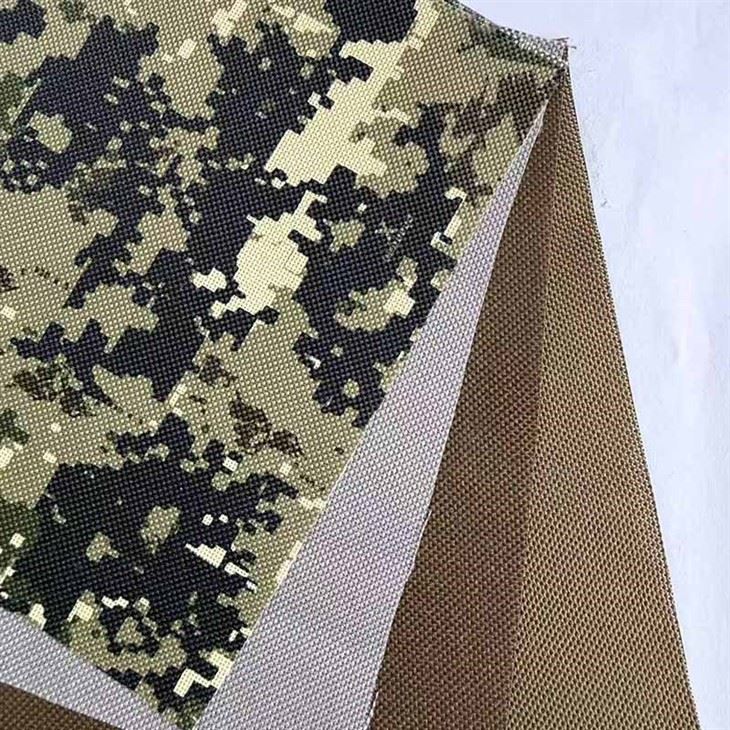

And don't forget our Pu Coated Nylon Fabric Waterproof. The Pa coating on this nylon fabric enhances its waterproof capabilities, making it ideal for use in high - humidity areas where you need a lightweight and durable fabric.
So, can Pa coating on fabric be used in high - humidity areas? The answer is yes, but with some considerations. If you take proper care of the fabric and choose the right product for your needs, Pa - coated fabrics can perform really well in high - humidity environments.
If you're interested in our Pa - coated fabric products, we'd love to have a chat with you. Whether you're looking for a fabric for a specific project or just want to learn more about our offerings, feel free to reach out. We're here to help you find the best solution for your high - humidity area needs.
References
- Textile Research Journal, various issues on fabric coatings and their performance in different environments.
- Handbook of Textile Coating and Laminating, providing in - depth knowledge on coating materials and their applications.