

When it comes to materials for various applications, flexibility is a key factor that can make or break a product's performance. As a supplier of UV Resistant Non Woven Fabric, I often get asked how the flexibility of this fabric stacks up against other materials. In this blog post, I'll dive into this topic and share my insights based on years of experience in the industry.
Understanding Flexibility in Materials
Before we compare the flexibility of UV resistant non woven fabric with other materials, let's first understand what flexibility means in the context of fabrics. Flexibility refers to a material's ability to bend, stretch, and conform to different shapes without breaking or losing its structural integrity. A flexible material is easier to work with, can be used in a wider range of applications, and generally provides a better fit and comfort when used in products like clothing, bags, or outdoor covers.
UV Resistant Non Woven Fabric: A Flexible Option
UV resistant non woven fabric is known for its excellent flexibility. It's made from synthetic fibers that are bonded together through a non - woven process, which gives it a unique structure. This structure allows the fabric to bend and stretch easily, making it suitable for a variety of applications.
One of the great things about this fabric is that it can be easily cut and shaped. Whether you're making a small pouch or a large outdoor tent, you can manipulate the fabric to fit your design requirements. It also has a certain level of elasticity, which means it can return to its original shape after being stretched, providing long - term durability.
Comparing with PA - coated Non - woven Fabric
PA - coated Non - woven Fabric is another popular material in the market. While it also offers some level of flexibility, it has a slightly different feel compared to UV resistant non woven fabric. The PA coating on the non - woven fabric adds a layer of protection, but it can also make the fabric a bit stiffer.
In applications where you need a fabric to drape smoothly, UV resistant non woven fabric might be a better choice. For example, if you're making a soft - sided storage container, the flexibility of the UV resistant non woven fabric will allow it to conform to the shape of the items inside, while the PA - coated non - woven fabric might be a bit more rigid. However, the PA coating does give the fabric better water - resistance and a more polished look in some cases.
PU - coated Oxford Cloth: A Different Level of Flexibility
PU - coated Oxford Cloth is a well - known material, especially in the outdoor and luggage industries. It's a woven fabric with a PU coating, which makes it strong and water - resistant. But when it comes to flexibility, it's quite different from UV resistant non woven fabric.
Oxford cloth has a more structured and rigid feel due to its woven nature. It's great for making products that need to hold their shape, like backpacks or hard - sided cases. On the other hand, UV resistant non woven fabric is much more pliable. If you want a fabric that can be easily folded and carried, or one that can adapt to irregular shapes, UV resistant non woven fabric wins in terms of flexibility. However, the Oxford cloth has superior strength and abrasion resistance in many cases.
Breathable Water Resistant Fabric
Breathable Water Resistant Fabric is designed to keep you dry while allowing air to pass through. It's commonly used in outdoor clothing and sports gear. The flexibility of this fabric can vary depending on its construction.
Some breathable water - resistant fabrics are quite flexible and can move with your body during physical activities. However, they often have a more complex structure to achieve the balance between breathability and water resistance. UV resistant non woven fabric, in comparison, is generally more straightforward in its flexibility. It can be used in similar applications where you need a flexible and somewhat water - resistant material, like making outdoor covers or lightweight jackets. But the breathable water - resistant fabric may have an edge in terms of comfort during long - term outdoor use due to its breathability.
Flame - retardant Non - woven Fabric
Flame - retardant Non - woven Fabric is engineered to resist catching fire and spreading flames. This type of fabric is often used in safety - critical applications such as industrial workwear and fire - resistant curtains.
The treatment to make the fabric flame - retardant can sometimes affect its flexibility. In some cases, flame - retardant non - woven fabrics can be stiffer than regular non - woven fabrics. UV resistant non woven fabric, without the flame - retardant treatment, is typically more flexible. This makes it a better choice for applications where flexibility is a top priority, like making flexible signage or soft - sided partitions. However, if fire safety is the most important factor, the flame - retardant non - woven fabric would be the obvious choice despite its reduced flexibility.
Applications Where Flexibility Shines
The flexibility of UV resistant non woven fabric makes it a great choice for a wide range of applications. For instance, in the advertising industry, you can use it to make outdoor banners and signs. It can be easily rolled up for storage and transportation, and it will conform to different display frames.
In the home and garden sector, this fabric can be used to make protective covers for outdoor furniture. It can wrap around chairs and tables of various shapes, providing UV protection and keeping the furniture clean.
In the automotive industry, UV resistant non woven fabric can be used as a flexible liner or cover. Its ability to bend and fit into tight spaces makes it a practical option for protecting car interiors from sunlight damage.
Why Choose Our UV Resistant Non Woven Fabric
As a supplier, I can attest to the high - quality and flexibility of the UV resistant non woven fabric we offer. We use advanced manufacturing techniques to ensure that the fabric has the right balance of flexibility, UV resistance, and durability.
Our fabric is available in different weights and thicknesses, allowing you to choose the one that best suits your specific application. Whether you need a lightweight and super - flexible fabric for a soft - touch product or a slightly heavier one for more demanding outdoor use, we've got you covered.
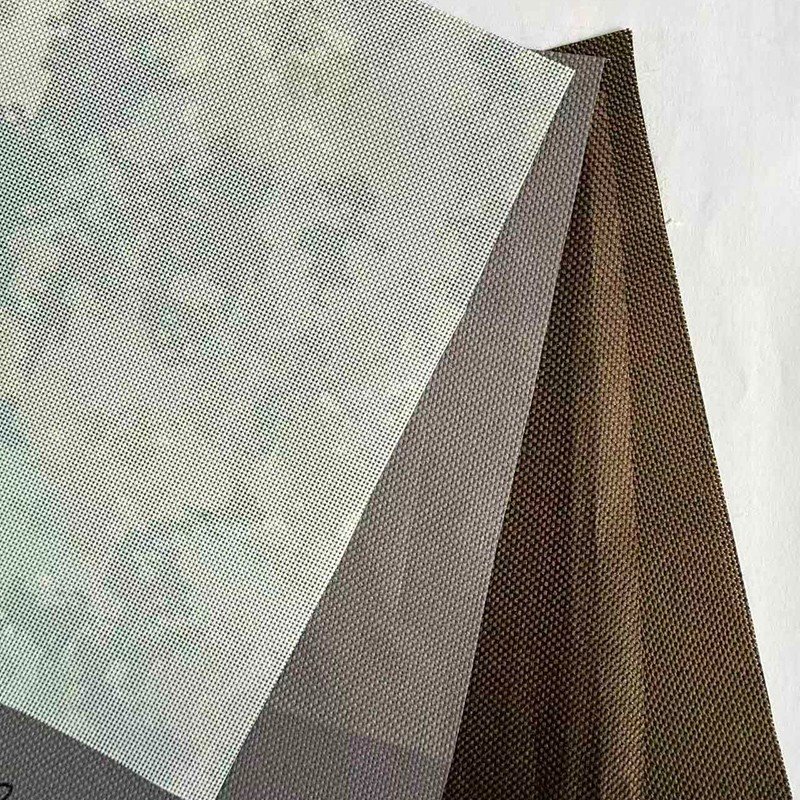

Looking to Source UV Resistant Non Woven Fabric?
If you're in the market for UV resistant non woven fabric, I'd love to start a conversation with you. Our team is ready to help you find the perfect fabric for your project. Whether you have a small - scale hobby project or a large - scale industrial order, we can offer you competitive prices and excellent service. Don't hesitate to reach out to discuss your requirements and see how our UV resistant non woven fabric can meet your needs.
References
- Textile Materials Handbook: A comprehensive guide on different types of fabrics and their properties.
- Journal of Textile Science: Articles on the latest research and development in textile materials, including flexibility studies.
- Industry reports on outdoor and functional fabrics, which provide insights on the performance and application of various materials.