

As a reputable supplier of Black PA-coated Non-woven Fabric, I understand the importance of proper storage to maintain the quality and performance of this unique material. In this blog post, I'll share some valuable insights and practical tips on how to store Black PA-coated Non-woven Fabric properly.
Understanding the Characteristics of Black PA-coated Non-woven Fabric
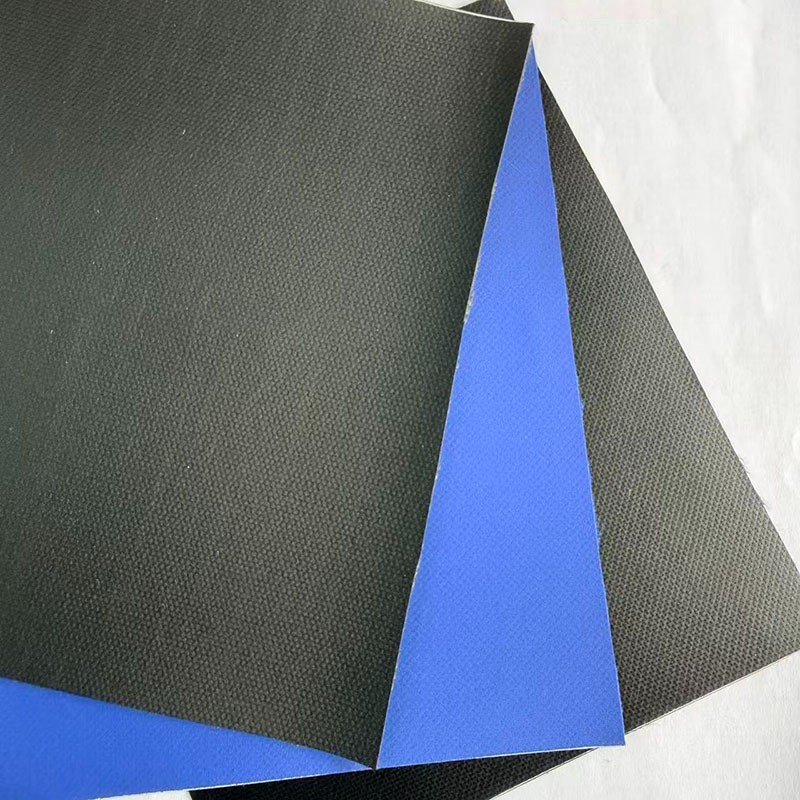
Before delving into storage methods, it's essential to understand the key characteristics of Black PA-coated Non-woven Fabric. This fabric combines the strength and durability of non-woven fabric with the excellent water resistance and abrasion resistance provided by the PA (Polyamide) coating. The black color not only adds an aesthetic appeal but also offers some UV resistance. However, these properties can be affected by various environmental factors during storage, such as temperature, humidity, light, and contaminants.
Ideal Storage Conditions
Temperature
The ideal temperature range for storing Black PA-coated Non-woven Fabric is between 20°C - 25°C (68°F - 77°F). Extreme temperatures can have a negative impact on the fabric's properties. High temperatures may cause the PA coating to soften or even melt, leading to distortion and loss of function. On the other hand, very low temperatures can make the fabric brittle and more prone to cracking.
It's important to avoid storing the fabric near heat sources like radiators, heaters, or direct sunlight. Similarly, in cold environments, make sure the storage area is properly insulated to prevent the fabric from being exposed to freezing temperatures.
Humidity
Maintaining a stable humidity level is crucial for fabric storage. A relative humidity of 40% - 60% is recommended for Black PA-coated Non-woven Fabric. Excessive humidity can lead to mold and mildew growth on the fabric surface, which not only damages the appearance but also weakens the fabric structure. Additionally, high humidity can cause the coating to peel or delaminate over time.

Conversely, low humidity can cause the fabric to become dry and static-prone, which may attract dust and other particles. To control humidity, consider using a dehumidifier or a humidifier in the storage area, depending on the environmental conditions.
Light
Prolonged exposure to direct sunlight or intense artificial light can fade the black color of the fabric and degrade the PA coating. UV rays can break down the chemical bonds in the coating, reducing its water resistance and durability. Therefore, it's best to store the fabric in a dark or shaded area. If possible, use opaque storage containers or covers to protect the fabric from light.
Storage Containers and Packaging
Choosing the Right Containers
When it comes to storing Black PA-coated Non-woven Fabric, the choice of storage containers is crucial. Opt for containers that are clean, dry, and made of materials that are non-reactive with the fabric. Plastic containers with tight-fitting lids are a popular choice as they provide a good barrier against moisture, dust, and pests. Metal containers should be avoided as they may rust and contaminate the fabric.
If you are storing large rolls of fabric, consider using fabric storage racks or pallets to keep the rolls off the ground and prevent damage. Make sure the racks are stable and can support the weight of the fabric rolls.
Packaging the Fabric
Proper packaging is essential to protect the fabric during storage. Before placing the fabric in the storage container, wrap it in a clean, acid-free paper or a plastic film. This helps to prevent scratches, dust accumulation, and moisture absorption. For extra protection, you can also use a moisture-proof barrier, such as a polyethylene bag.
Handling and Stacking
Handling Precautions
When handling Black PA-coated Non-woven Fabric, it's important to take precautions to avoid damage. Always wear clean gloves to prevent dirt and oils from your hands from transferring onto the fabric. Avoid dragging the fabric across rough surfaces or sharp edges, as this can cause abrasions or tears.
When moving the fabric, use lifting equipment or trolleys designed for handling textiles. Make sure the equipment is clean and in good working condition to prevent any damage to the fabric during transportation.
Stacking Guidelines
If you need to stack multiple rolls or pieces of fabric, follow these guidelines to ensure safe and proper storage. Place the largest and heaviest rolls at the bottom of the stack to provide a stable base. Avoid stacking the rolls too high to prevent them from toppling over.
Leave some space between the rolls to allow for air circulation. This helps to prevent the buildup of moisture and heat, which can cause damage to the fabric. If possible, use separators or dividers between the rolls to prevent them from rubbing against each other.
Monitoring and Maintenance
Regular Inspections
Regularly inspect the stored fabric to detect any signs of damage or deterioration. Check for mold, mildew, discoloration, peeling of the coating, or any other defects. If you notice any issues, take immediate action to address them. For example, if you find mold on the fabric, remove the affected pieces and clean the storage area thoroughly.
Cleaning the Storage Area
Keep the storage area clean and free of debris. Regularly sweep or vacuum the floors to remove dust and dirt. Wipe down the storage containers and racks with a clean, damp cloth to remove any dirt or stains. This helps to prevent the accumulation of contaminants that can damage the fabric.
Related Fabrics and Their Applications
If you are interested in other types of fabrics, we also offer a wide range of high-quality products, including PU-coated Oxford Cloth, Breathable Water Resistant Fabric, PA-coated Non-woven Fabric, and Flame-retardant Non-woven Fabric. Each of these fabrics has its own unique properties and applications.
PU-coated Oxford Cloth is known for its high strength, water resistance, and abrasion resistance, making it suitable for outdoor applications such as tents, backpacks, and raincoats. Breathable Water Resistant Fabric combines water resistance with breathability, which is ideal for sportswear and outdoor gear. PA-coated Non-woven Fabric offers similar benefits to Black PA-coated Non-woven Fabric but without the black color. Flame-retardant Non-woven Fabric is commonly used in applications where fire safety is a concern, such as upholstery and curtains.
Conclusion
Proper storage of Black PA-coated Non-woven Fabric is essential to maintain its quality, performance, and appearance. By following the guidelines outlined in this blog post, you can ensure that your fabric remains in excellent condition for an extended period. Remember to control the temperature, humidity, and light in the storage area, choose the right storage containers and packaging, handle the fabric with care, and regularly monitor and maintain the storage environment.
If you are interested in purchasing Black PA-coated Non-woven Fabric or any of our other products, please visit our website Black PA-coated Non-woven Fabric for more information. We are always ready to assist you with your fabric needs and provide you with the highest level of service. Contact us today to start discussing your requirements and explore the possibilities of using our high-quality fabrics in your projects.
References
- Textile Storage Handbook, Edition 3 - This comprehensive guide provides in - depth knowledge on the best practices for storing various types of textiles.
- Journal of Textile Science and Technology - Articles from this journal offer the latest research findings and technical information related to the storage and maintenance of coated fabrics.