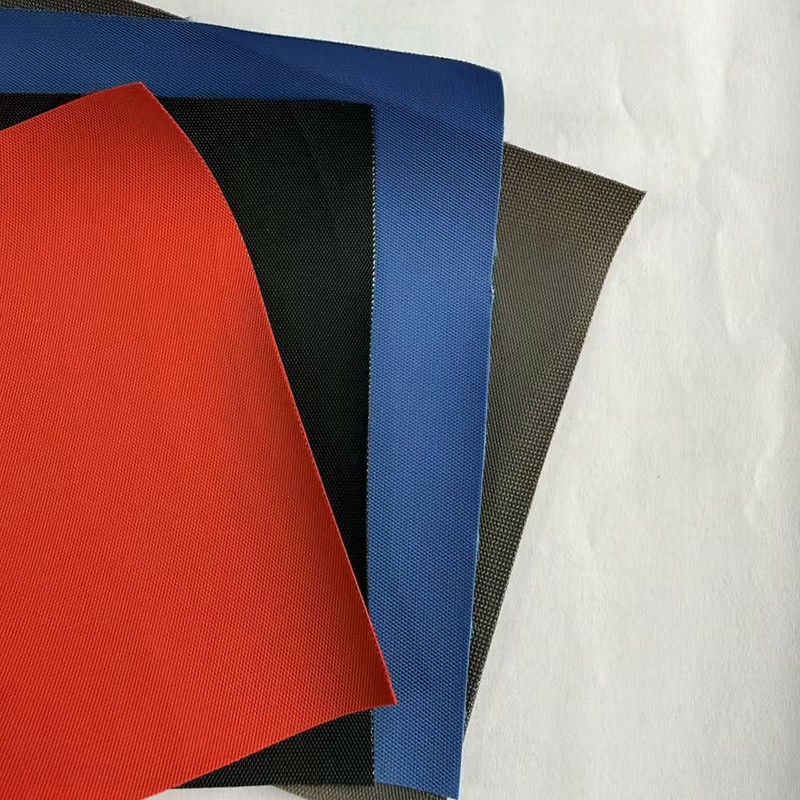
Based on the performance characteristics of the various Oxford fabric materials mentioned earlier, nylon Oxford fabric stands out as the most durable overall; it surpasses other common materials in terms of strength, abrasion resistance, and tear resistance.
Durability comparison of different Oxford fabric materials
Nylon Oxford fabric
It boasts the highest fiber breaking strength and tear strength, with a Martindale abrasion resistance rating exceeding 12,000 cycles. It offers excellent elasticity and withstands intense, repeated friction and pulling. As the most abrasion-resistant type of Oxford fabric, it is frequently used for professional mountaineering packs, tactical gear, and other products designed for extreme conditions.
Polyester Oxford fabric
Its abrasion resistance is second only to nylon, but it excels in aging and UV resistance; it does not easily yellow or become brittle after prolonged outdoor sun exposure. Offering great value for money, it is a mainstream material for car covers, standard backpacks, and outdoor tents, fully meeting durability needs for everyday use.
Cotton Oxford fabric
Suitable only for lightweight garments like shirts; its strength and abrasion resistance are far lower than those of synthetic fibers. It is prone to pilling and damage after prolonged friction, making it unsuitable for applications requiring high durability.
Selection tips to further enhance durability
Beyond choosing the right base material, two specific details can further boost durability:
Prioritize high-denier (D) specifications: For example, 1680D nylon Oxford fabric is thicker and more abrasion-resistant than 210D fabric of the same material; the higher the denier count, the stronger the fabric's tear resistance.
Opt for high-quality functional coatings: Styles featuring PU or PVC coatings form a protective film on the fabric surface, further enhancing water and scratch resistance while extending the product's overall lifespan.