

Hey there! I'm a supplier of oxford fabric, and today I'm super stoked to chat about how this amazing material holds up in extreme temperatures. Oxford fabric is a real workhorse in the textile world, known for its durability and versatility. But how does it fare when things get really hot or really cold? Let's dive in!
Understanding Oxford Fabric
First off, let's quickly go over what oxford fabric is. It's a type of woven fabric that's typically made from cotton, polyester, or a blend of the two. The fabric gets its name from the way it's woven - it has a basketweave pattern that gives it a unique texture and appearance. Oxford fabric is commonly used in a wide range of products, including backpacks, tents, clothing, and upholstery.
Heat Resistance
When it comes to high temperatures, oxford fabric has some pretty impressive heat resistance properties. Most oxford fabrics can withstand temperatures of up to 150°C (302°F) without significant damage. This makes it a great choice for outdoor applications where the fabric may be exposed to direct sunlight or other sources of heat.
However, it's important to note that the heat resistance of oxford fabric can vary depending on the specific type of fabric and its composition. For example, fabrics that are made from a higher percentage of polyester tend to have better heat resistance than those made from cotton. Additionally, fabrics that have been treated with a special coating, such as Pa Coating On Fabric, can also have improved heat resistance.
One of the main factors that affects the heat resistance of oxford fabric is its melting point. Polyester, for example, has a melting point of around 250°C (482°F), while cotton has a melting point of around 150°C (302°F). This means that polyester-based oxford fabrics can generally withstand higher temperatures before melting or degrading.
Another important factor to consider is the thickness of the fabric. Thicker fabrics tend to have better heat resistance than thinner ones, as they can provide more insulation and protection against heat. However, thicker fabrics may also be heavier and less breathable, which can be a drawback in some applications.
Cold Resistance
In cold temperatures, oxford fabric also performs quite well. Most oxford fabrics can withstand temperatures of down to -20°C (-4°F) without becoming brittle or losing their strength. This makes it a great choice for outdoor applications in cold climates, such as winter sports equipment and camping gear.
One of the key factors that affects the cold resistance of oxford fabric is its ability to retain heat. Fabrics that are made from a higher percentage of cotton tend to be more breathable and less insulating than those made from polyester. However, cotton fabrics can also absorb moisture, which can make them feel cold and uncomfortable in cold temperatures.
Polyester-based oxford fabrics, on the other hand, are generally more insulating and less breathable than cotton fabrics. They can also repel moisture, which makes them a great choice for cold and wet conditions. Additionally, fabrics that have been treated with a special coating, such as PE Coating, can also have improved cold resistance.
Another important factor to consider is the flexibility of the fabric. In cold temperatures, fabrics can become stiff and brittle, which can make them difficult to work with and may cause them to tear or break. Oxford fabric, however, is known for its flexibility and durability, even in cold temperatures. This makes it a great choice for applications where the fabric needs to be able to bend and stretch without losing its shape or strength.
Testing and Certification
To ensure that our oxford fabrics meet the highest standards of quality and performance, we conduct extensive testing in our state-of-the-art laboratory. We test our fabrics for a wide range of properties, including heat resistance, cold resistance, water resistance, and tear strength.
In addition to our in-house testing, we also work with independent third-party testing laboratories to verify the performance of our fabrics. These laboratories use standardized testing methods and procedures to ensure that our fabrics meet or exceed industry standards.
We are also proud to be certified by several leading industry organizations, including the International Organization for Standardization (ISO) and the American Society for Testing and Materials (ASTM). These certifications demonstrate our commitment to quality and performance, and they give our customers peace of mind knowing that they are getting a high-quality product.
Applications
The heat and cold resistance properties of oxford fabric make it a great choice for a wide range of applications. Here are some of the most common applications of oxford fabric:
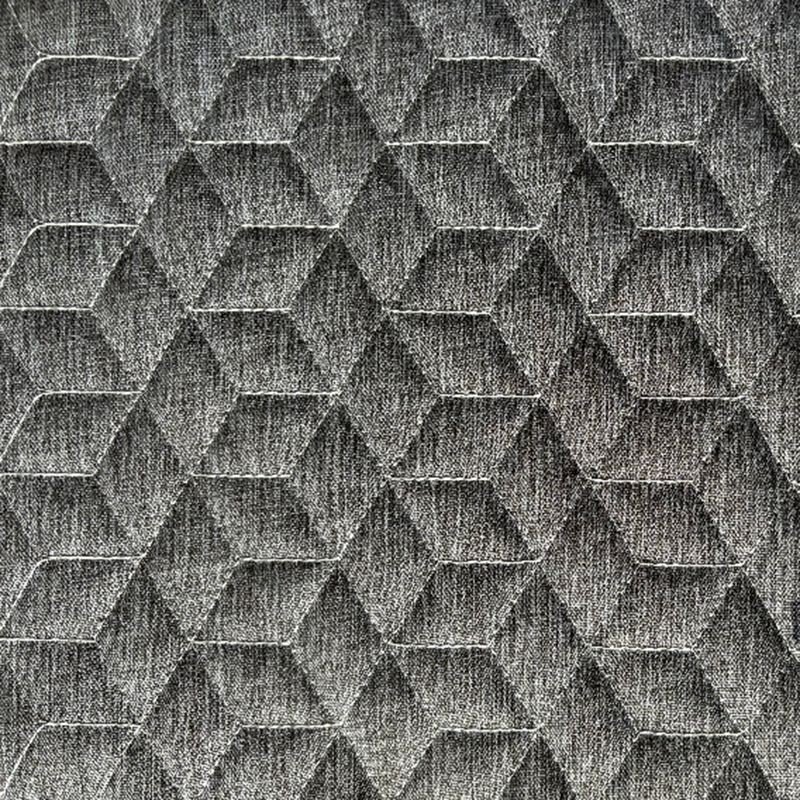
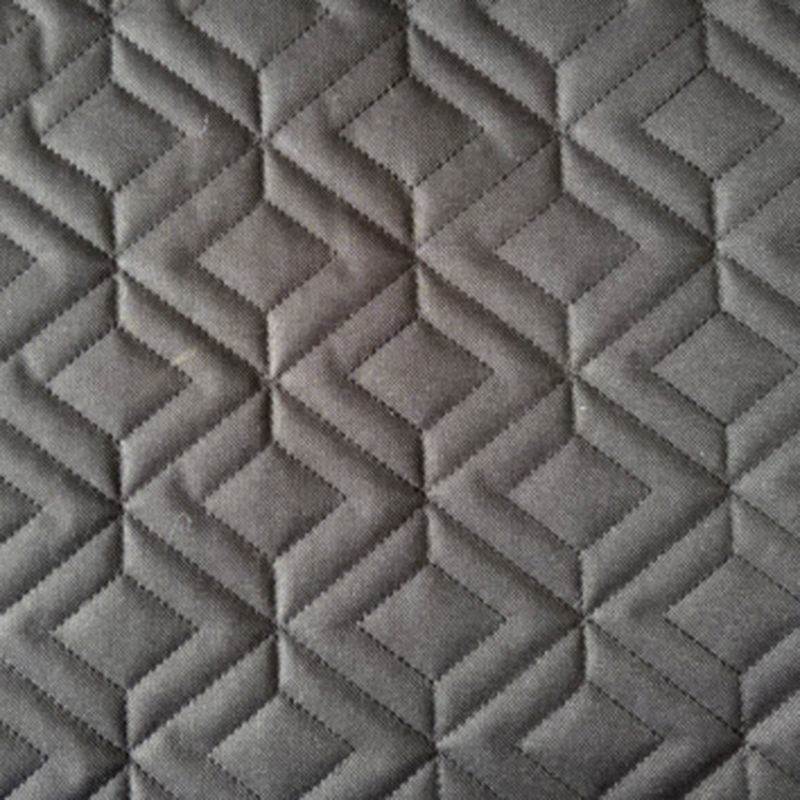
- Outdoor Gear: Oxford fabric is commonly used in the manufacture of outdoor gear, such as backpacks, tents, sleeping bags, and outdoor clothing. Its durability, water resistance, and heat and cold resistance make it a great choice for these applications.
- Upholstery: Oxford fabric is also used in the upholstery of furniture, such as sofas, chairs, and ottomans. Its durability and stain resistance make it a great choice for high-traffic areas.
- Automotive Interiors: Oxford fabric is used in the automotive industry for the upholstery of car seats, door panels, and headliners. Its durability, comfort, and heat and cold resistance make it a great choice for these applications.
- Industrial Applications: Oxford fabric is used in a variety of industrial applications, such as conveyor belts, tarps, and protective clothing. Its strength, durability, and heat and cold resistance make it a great choice for these applications.
Conclusion
In conclusion, oxford fabric is a versatile and durable material that performs well in extreme temperatures. Its heat and cold resistance properties make it a great choice for a wide range of applications, from outdoor gear to industrial applications.
If you're in the market for high-quality oxford fabric, look no further! We offer a wide range of oxford fabrics, including 420d Oxford with Pvc Coating, 300D Cationic Oxford Fabric, 1680D PE Coated Cationic Oxford Fabric, and 300D PE Coated Oxford Fabric. Our fabrics are available in a variety of colors, weights, and finishes to meet your specific needs.
So, if you're interested in learning more about our oxford fabrics or would like to place an order, please don't hesitate to contact us. We'd love to hear from you and help you find the perfect fabric for your project.
References
- ASTM International. (2021). ASTM D4108 - 19(2021) Standard Test Method for Breaking Strength and Elongation of Woven Fabrics.
- ISO. (2021). ISO 13934 - 1:2013 Textiles - Tensile properties of fabrics - Part 1: Determination of maximum force and elongation at maximum force using the strip method.
- Textile Institute. (2021). Handbook of Textile Fibre Structure.