

Pilling is a common concern when it comes to fabric durability and appearance. As a supplier of All Over Quilted Fabric, I often receive inquiries about whether our products are resistant to pilling. In this blog post, I'll delve into the factors that influence pilling in All Over Quilted Fabric and provide insights into its resistance.
Understanding Pilling
Pilling occurs when short fibers on the fabric surface become loose and entangle with each other, forming small balls or "pills." This is typically caused by friction from activities such as rubbing against other surfaces, washing, or regular wear. Fabrics with a higher proportion of long, strong fibers are generally more resistant to pilling, as they are less likely to break and form pills.
Factors Affecting Pilling Resistance in All Over Quilted Fabric
Fiber Type
The type of fibers used in the All Over Quilted Fabric plays a crucial role in its pilling resistance.
- Natural Fibers:
- Cotton: Cotton is a popular choice for quilted fabrics due to its breathability and softness. However, it can be prone to pilling, especially if it's a lower-quality cotton with shorter fibers. High - quality long - staple cotton, such as Egyptian cotton, is more resistant to pilling as the longer fibers are less likely to break and form pills.
- Wool: Wool is a natural fiber that can also be used in quilted fabrics. It has good elasticity and insulation properties. Fine wool, like merino wool, is less likely to pill compared to coarser wool types. However, wool can be more sensitive to washing and may require special care to maintain its pilling resistance.
- Synthetic Fibers:
- Polyester: Polyester is known for its durability and pilling resistance. It has strong, long fibers that are less likely to break and form pills. All Over Quilted Fabrics made with a high percentage of polyester are generally very resistant to pilling. However, polyester may not have the same breathability as natural fibers.
- Nylon: Nylon is also a synthetic fiber with good pilling resistance. It is strong and abrasion - resistant, making it suitable for applications where the fabric will be subject to a lot of friction.
Fabric Construction
The way the All Over Quilted Fabric is constructed can also affect its pilling resistance.
- Weave and Knit: Tightly woven fabrics are generally more resistant to pilling than loosely woven or knitted fabrics. A tight weave holds the fibers in place, reducing the likelihood of them being released and forming pills. For example, a twill weave can provide better pilling resistance compared to a plain weave.
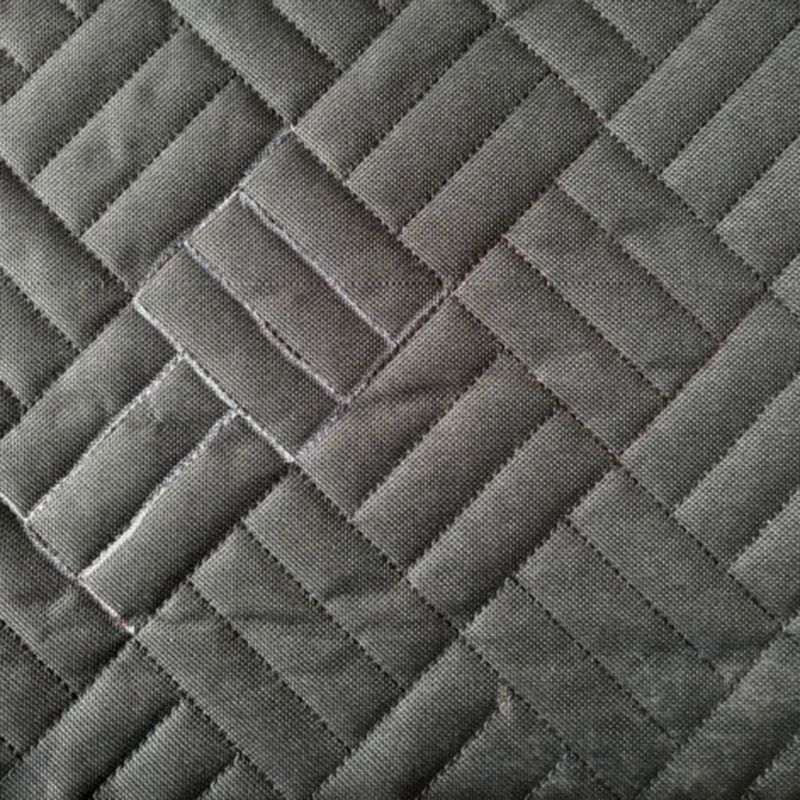
- Quilting Pattern and Density: The quilting pattern and density can influence the movement of fibers within the fabric. A dense quilting pattern can help hold the fibers in place and prevent them from rubbing against each other, thus reducing pilling. However, if the quilting is too dense, it may also increase the stress on the fabric during use and potentially lead to pilling in some cases.
Finishing Treatments
Some finishing treatments can improve the pilling resistance of All Over Quilted Fabric.
- Anti - pilling agents: These agents are applied to the fabric during the finishing process. They work by coating the fibers, making them more slippery and less likely to entangle with each other.
- Singeing: Singeing is a process where the fabric is passed over a flame to burn off the loose fibers on the surface. This can reduce the number of fibers that are available to form pills, thus improving the pilling resistance of the fabric.
Our All Over Quilted Fabric Offerings and Pilling Resistance
We offer a wide range of All Over Quilted Fabrics, and we take steps to ensure good pilling resistance in our products.
- Pattern Variety: We provide Patterned Quilted Fabric with different fiber compositions to meet various customer needs. For customers who prioritize pilling resistance, we recommend fabric options with a high percentage of synthetic fibers like polyester.
- Specific Designs: Our Black Floral Quilt Fabric is carefully crafted to balance aesthetic appeal and durability. We use high - quality fibers and a tight weave in combination with appropriate quilting techniques to enhance its pilling resistance.
- Partially Quilted Options: In addition to All Over Quilted Fabric, we also offer Partially Quilted Fabric. These fabrics are designed to provide flexibility and unique functionality. We use similar strategies in their construction to ensure good pilling resistance, such as using suitable fiber blends and appropriate finishing treatments.
- Non - woven Backing: Our Quilted Fabric with Non - woven Backing is another popular product. The non - woven backing can add an extra layer of protection and stability to the fabric, which can also contribute to its pilling resistance.
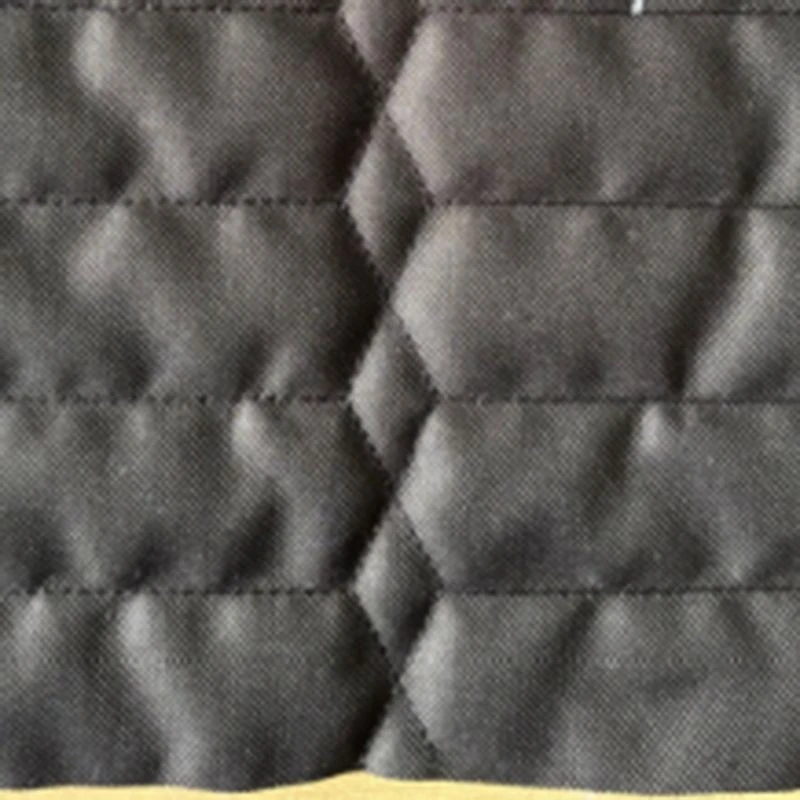
- Distinct Patterns: The Black Diamond Quilted Fabric in our collection is made with attention to detail. We select fibers and construction methods that are optimized for pilling resistance while maintaining the fabric's visual appeal.
Testing and Quality Assurance
To ensure the pilling resistance of our All Over Quilted Fabric, we conduct rigorous testing.
- Abrasion Testing: We subject our fabrics to abrasion testing using standardized equipment. This simulates the friction that the fabric may encounter during normal use, such as rubbing against furniture or clothing. By measuring the amount of pilling after a specific number of abrasion cycles, we can assess the fabric's pilling resistance.
- Washing and Drying Tests: We also perform multiple washing and drying cycles on our fabrics. This helps us evaluate how the fabric will perform over time with regular laundering. We check for any signs of pilling, fiber shedding, or changes in the fabric's appearance after these tests.
Care Instructions to Maintain Pilling Resistance
Even if the All Over Quilted Fabric has good pilling resistance, proper care is essential to maintain its quality over time.
- Washing: Use a gentle cycle when washing the fabric. Avoid using harsh detergents or bleach, as these can damage the fibers and increase the likelihood of pilling. Wash the fabric inside out to reduce friction between the fabric and other items in the washing machine.
- Drying: Tumble dry on a low - heat setting or air dry the fabric. High - heat drying can cause the fibers to shrink and become more prone to pilling.
- Storage: Store the fabric in a cool, dry place. Avoid folding the fabric tightly for long periods, as this can cause the fibers to break and form pills.
Conclusion
In general, All Over Quilted Fabric can be resistant to pilling, depending on the fiber type, fabric construction, and finishing treatments. At our company, we are committed to providing high - quality All Over Quilted Fabrics with good pilling resistance. We use a combination of advanced manufacturing techniques, careful fiber selection, and thorough testing to ensure that our products meet the highest standards of durability and performance.
If you are interested in our All Over Quilted Fabric products or have any questions about pilling resistance, we encourage you to contact us for a comprehensive discussion. We look forward to collaborating with you on your next project.
References
- ASTM International. (2020). ASTM D3512 - 20e1: Standard Test Method for Pilling Resistance and Other Related Surface Changes of Textile Fabrics: Random Tumble Pilling Tester Method.
- Textile Institute. (2018). Fundamentals of Textile Science. Woodhead Publishing.