

Hey there! As a supplier of Pu Coated Oxford Fabric, I get a lot of questions about how it stacks up against other coated fabrics in terms of cost - effectiveness. Today, I'm gonna break it all down for you.
Let's first have a look at what cost - effectiveness really means. In simple terms, it's about getting the best bang for your buck. You want a fabric that's not only affordable but also performs well and lasts long.
PA - coated Oxford Fabric
PA - coated Oxford Fabric has been around for a while. It's known for its relatively low cost. PA, or polyamide, provides a decent level of water resistance. However, when it comes to durability, it might not be the top pick. The coating on PA - coated Oxford can wear off over time, especially with frequent use or if exposed to harsh environmental conditions.
On the other hand, Pu Coated Oxford Fabric offers better abrasion resistance. The polyurethane coating is tougher and more flexible, which means it can withstand more wear and tear. So, even though the initial cost of Pu Coated Oxford might be a bit higher, in the long run, you won't have to replace it as often as you might have to with PA - coated fabric.
1680D PE Coated Cationic Oxford Fabric
Now, let's talk about 1680D PE Coated Cationic Oxford Fabric. PE, or polyethylene, is a very common and inexpensive coating material. The 1680D refers to the denier, which is a measure of the fabric's weight and thickness. This fabric is lightweight and has some water - repellent properties.
But here's the thing. The PE coating isn't as strong as the PU coating. It can crack or peel under stress. Pu Coated Oxford Fabric, with its superior elasticity and strength, is less likely to have these issues. If you're using the fabric for something that requires a bit more ruggedness, like outdoor gear or heavy - duty bags, the cost of Pu Coated Oxford is justified by its better performance and longevity.
Pvc Oxford Fabric
Pvc Oxford Fabric is another popular option. PVC, or polyvinyl chloride, is known for its high level of water resistance and stiffness. It's often used in applications where a rigid structure is needed, like in some types of tents or inflatable products.
However, PVC has its drawbacks. It's not very environmentally friendly. Also, it can be quite heavy. Pu Coated Oxford Fabric, on the other hand, is more eco - conscious and lighter in weight. This makes it a great choice for products where you want something that's both functional and easy to handle. And when you consider the long - term cost, the fact that Pu Coated Oxford doesn't require as much maintenance or replacement as PVC fabric makes it a more cost - effective option.
1680D TPE Coated Cationic Oxford Fabric
1680D TPE Coated Cationic Oxford Fabric uses TPE, or thermoplastic elastomer, as a coating. TPE offers good flexibility and some level of water resistance. It's a relatively new player in the coated fabric market.
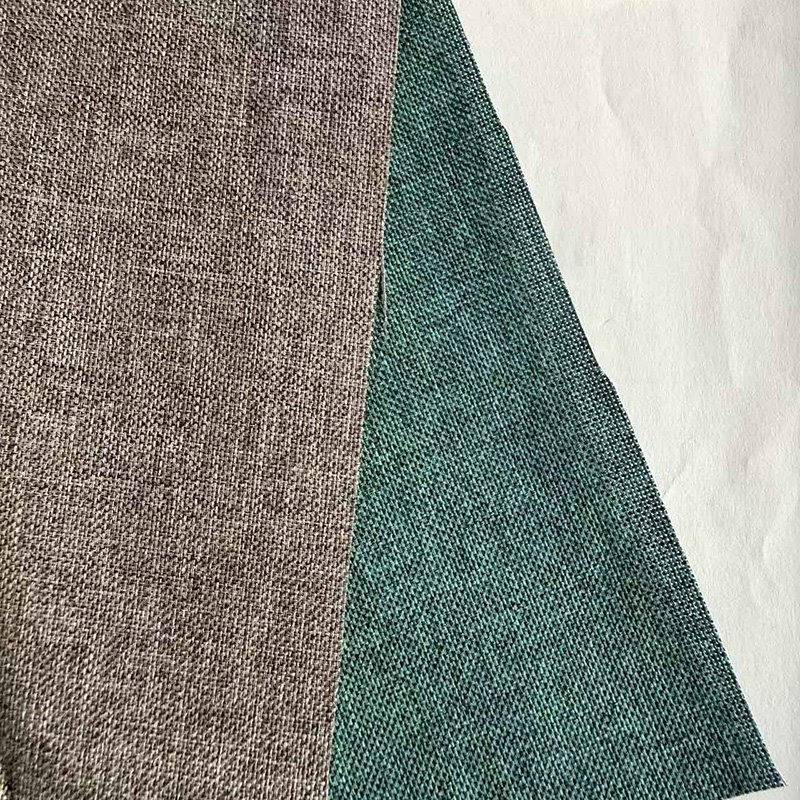
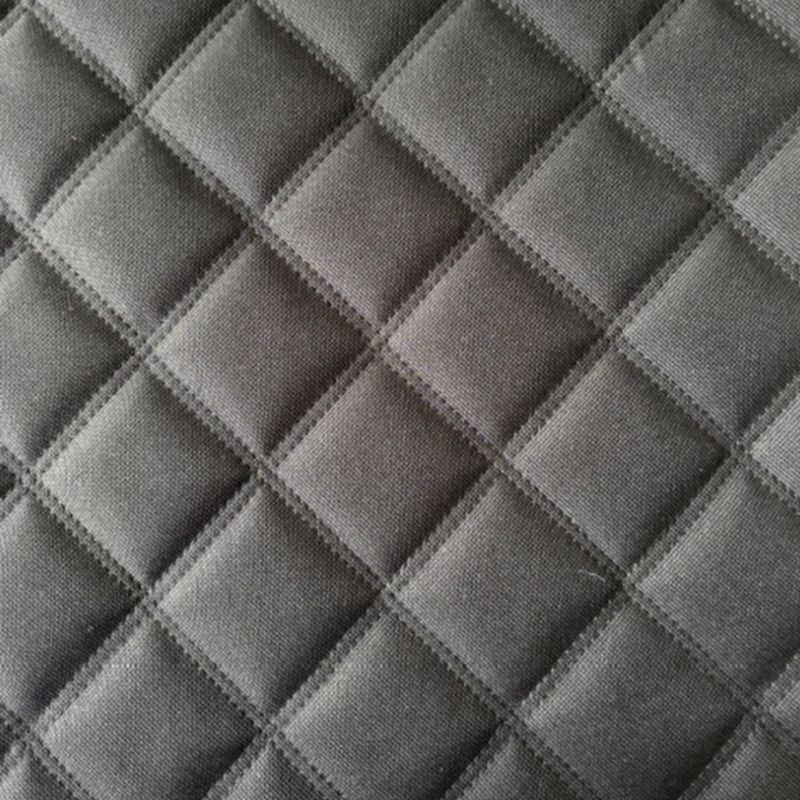
However, compared to Pu Coated Oxford Fabric, TPE - coated fabric doesn't have the same level of chemical resistance. This means that if the fabric comes into contact with certain chemicals or substances, the TPE coating might degrade faster. The Pu coating in Pu Coated Oxford is more resistant to a wider range of chemicals, which gives it an edge in terms of durability and, ultimately, cost - effectiveness.
Other Factors Affecting Cost - Effectiveness
Production Volume
If you're ordering in large quantities, the unit cost of Pu Coated Oxford Fabric can go down significantly. This is because the manufacturing process becomes more streamlined, and we can offer better prices. Many suppliers, including me, are willing to negotiate prices based on the order volume. So, if you're thinking about a big - scale project, it's definitely worth considering Pu Coated Oxford.
Applications
The cost - effectiveness of a fabric also depends on its application. For example, if you're making a high - end fashion item, the quality and look of Pu Coated Oxford Fabric can add value to the product. Customers are often willing to pay more for a well - made, durable item. In this case, the higher initial cost of the fabric is offset by the higher selling price of the finished product.
On the other hand, if you're making a short - term promotional item, a cheaper fabric might be more appropriate. But remember, if the item falls apart quickly, it won't make a good impression on your customers.
Maintenance
Pu Coated Oxford Fabric is relatively easy to maintain. It can be cleaned with a simple soap and water solution, and it doesn't require any special treatments. This means you save on maintenance costs over time. Some other coated fabrics might need special cleaning agents or treatments to keep them in good condition, which adds to the overall cost.
Conclusion
In conclusion, when it comes to cost - effectiveness, Pu Coated Oxford Fabric shines in many ways. While it might have a slightly higher upfront cost compared to some other coated fabrics, its superior durability, better performance, lower maintenance requirements, and eco - friendliness make it a great long - term investment.
If you're in the market for a high - quality coated fabric for your project, I'd highly recommend giving Pu Coated Oxford Fabric a try. Whether you're making outdoor gear, bags, fashion items, or anything in between, it can meet your needs and save you money in the long run.
If you're interested in learning more or want to discuss a potential order, don't hesitate to get in touch. Let's talk about how we can work together to make your project a success.
References
- "Textile Coating Technologies" by Smith, J., A comprehensive guide on different fabric coating methods.
- "Cost - Benefit Analysis in the Textile Industry" by Johnson, R., A study on evaluating the cost - effectiveness of various textile materials.