

When it comes to buying UV resistant non woven fabric, there are quite a few factors you gotta consider. As a supplier of UV Resistant Non Woven Fabric, I've seen firsthand how important these aspects are for customers.
UV Resistance Rating
Let's start with the most obvious one - the UV resistance rating. This is like the fabric's shield against the sun's harmful rays. You want a high rating, usually measured by UPF (Ultraviolet Protection Factor). A higher UPF means the fabric blocks more UV radiation. For instance, a UPF 50+ fabric blocks 98% or more of UV rays. If you're using the fabric for outdoor applications like awnings, tents, or agricultural covers, a high UPF is crucial. It'll keep the fabric from fading and deteriorating quickly under the sun.
But how do you know if the rating is legit? Well, look for fabrics that are certified by recognized organizations. These certifications ensure that the fabric has been tested and meets the standards for UV protection. Don't just take the manufacturer's word for it. Do your research and make sure you're getting what you're paying for.
Material Composition
The material the non woven fabric is made of is another big deal. Different materials have different levels of UV resistance and other properties. Polypropylene is a common choice for UV resistant non woven fabric. It's lightweight, durable, and has decent UV resistance on its own. But sometimes, it's treated with additives to boost that resistance even more.
There are also other materials out there, and some might be blended to get the best of both worlds. For example, a blend might combine the strength of one material with the UV resistance of another. You need to think about what the fabric will be used for. If it's for something that needs to be very strong and long - lasting, a blend with a stronger base material might be a better choice.
Thickness and Weight
The thickness and weight of the fabric can have a huge impact on its performance. Thicker fabrics generally offer better UV protection because they have more material to block the rays. But they can also be heavier and less flexible. If you're making something like a lightweight backpack or a portable shade, you might not want a super - thick fabric.
On the other hand, if it's for a large outdoor structure like a greenhouse cover, a thicker and heavier fabric might be necessary. You gotta find the right balance between UV protection, weight, and flexibility based on your specific needs.
Durability
Durability goes hand in hand with UV resistance. A fabric that can't stand up to the elements won't do you any good, even if it has a high UV rating. Look for fabrics that are resistant to tearing, abrasion, and punctures. This is especially important if the fabric will be used in high - traffic or rough environments.
For example, if you're using the fabric for a playground shade, it's gonna get bumped and rubbed against a lot. A durable fabric will last longer and save you money in the long run. Some fabrics are also treated to be resistant to mold and mildew, which is great for outdoor use in humid climates.
Color
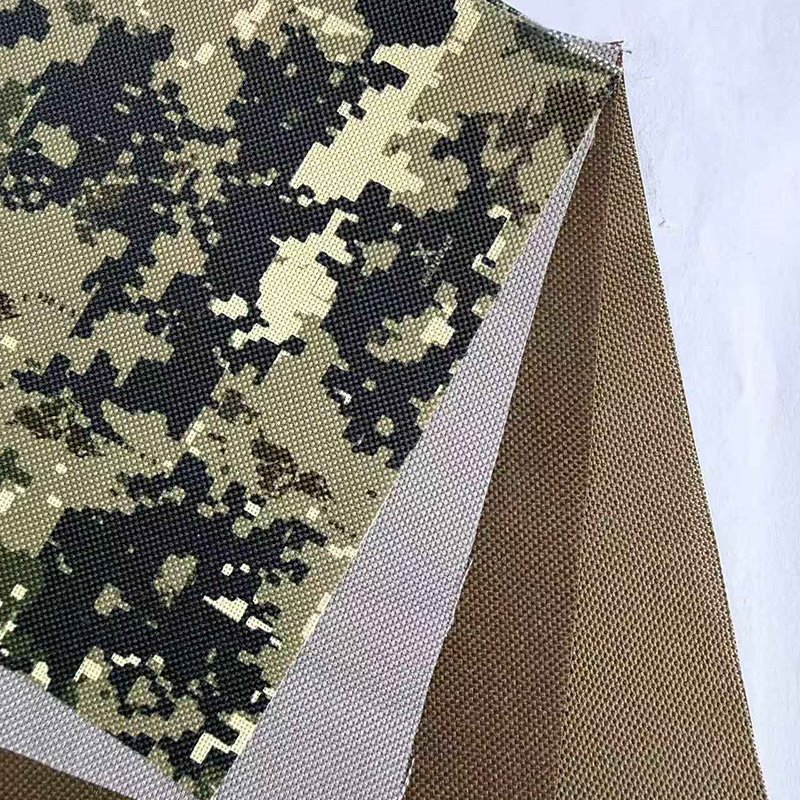
Believe it or not, color can affect UV resistance. Darker colors tend to absorb more UV rays than lighter colors. So, if you want maximum UV protection, a lighter - colored fabric might be a better choice. However, darker colors can also look more aesthetically pleasing in some cases.
You also need to consider colorfastness. This means the fabric's ability to keep its color over time, especially when exposed to sunlight. A fabric that fades quickly won't look good and might also indicate that its UV protection is diminishing. Look for fabrics that are advertised as having good colorfastness.
Cost
Cost is always a factor when making a purchase. UV resistant non woven fabric can vary widely in price depending on its quality, brand, and the factors we've already discussed. You don't want to overspend, but you also don't want to skimp on quality.
Compare prices from different suppliers, but make sure you're comparing apples to apples. Look at the specifications and features of each fabric to see if the price is justified. Sometimes, paying a little more upfront can save you money in the long run if the fabric lasts longer and performs better.
Additional Features
Some UV resistant non woven fabrics come with additional features that can be really useful. For example, PA - coated Non - woven Fabric has a PA coating that can make it more water - resistant and durable. Flame - retardant Non - woven Fabric is a great option if you're using the fabric in an area where there's a risk of fire.
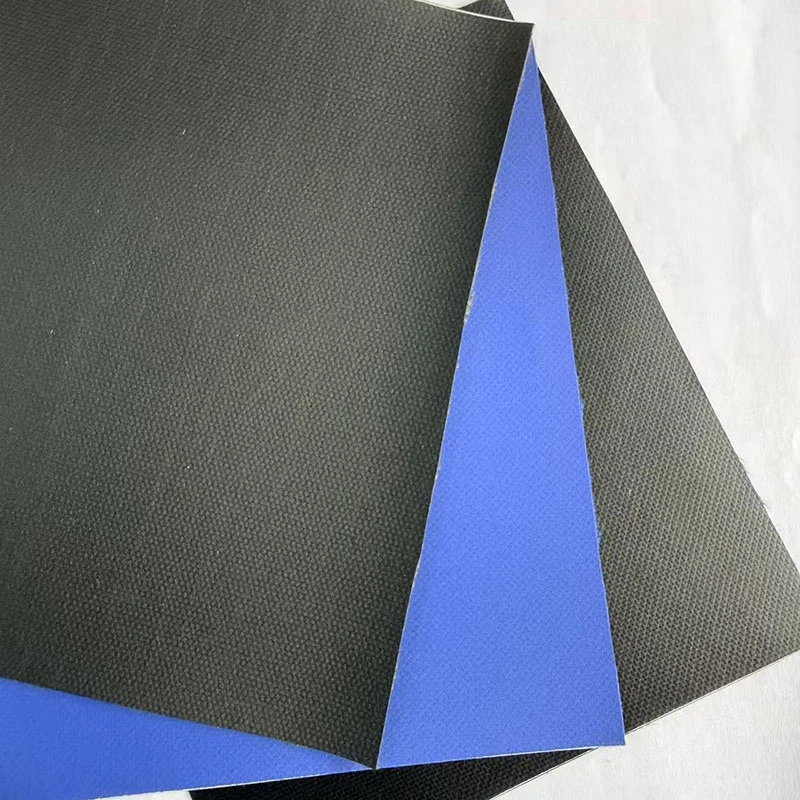
Black PA - coated Non - woven Fabric combines the benefits of a PA coating with a sleek black look. And if you need a fabric that can breathe while still being water - resistant, Breathable Water Resistant Fabric might be the way to go. Think about what additional features would be useful for your specific application.
Supplier Reputation
Last but not least, you need to consider the reputation of the supplier. You want to buy from a supplier that has a good track record of providing high - quality products and good customer service. Read reviews from other customers, check how long the supplier has been in business, and see if they offer any warranties or guarantees.
At our company, we take pride in being a reliable supplier of UV resistant non woven fabric. We've been in the business for a while, and we've built a reputation for providing top - notch products and excellent customer support. If you're in the market for UV resistant non woven fabric and have any questions or need help choosing the right fabric for your needs, don't hesitate to reach out. We're here to assist you through the whole process, from selection to purchasing.
So, if you're ready to start your project and need the perfect UV resistant non woven fabric, contact us today. We'll work with you to find the best solution that fits your requirements and budget.
References
- Textile Industry Research Reports
- UV Protection Standards and Guidelines