

Hey there, fellow fabric enthusiasts! I'm [Your Name], and I'm stoked to be an all over quilted fabric supplier. I've seen firsthand the magic that happens when a piece of fabric goes from raw materials to a beautiful, quilted masterpiece. So, let's dive into how all over quilted fabric is made!
The Basics of Quilted Fabric
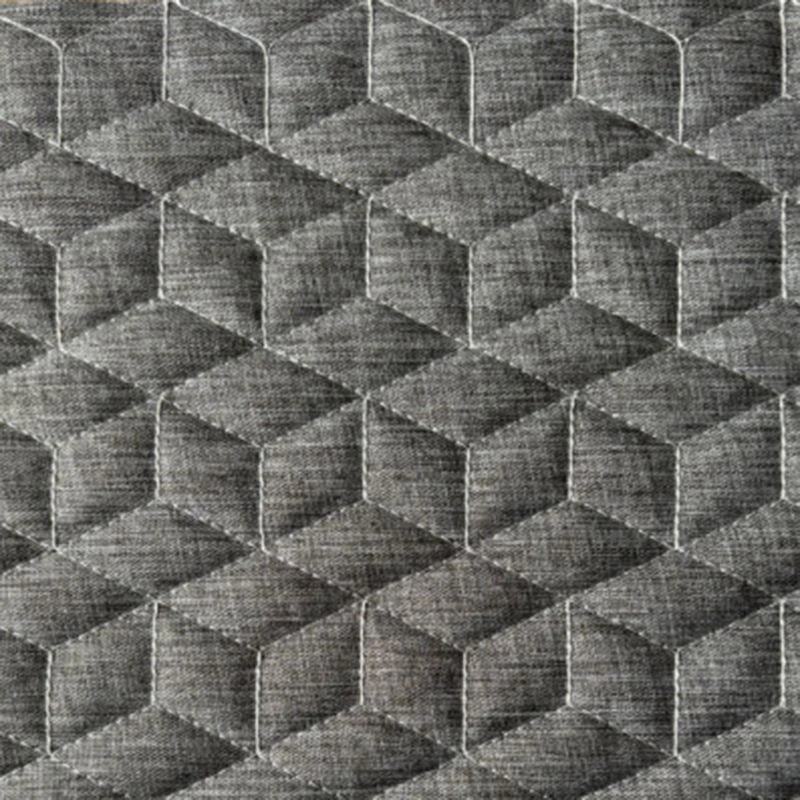
Before we get into the nitty - gritty of the production process, let's quickly cover what all over quilted fabric is. In simple terms, it's a fabric where the quilting pattern covers the entire surface. This is different from Partially Quilted Fabric, where only parts of the fabric are quilted. Quilting not only adds a decorative touch but also gives the fabric extra thickness and durability.
Choosing the Right Materials
The first step in making all over quilted fabric is choosing the right materials. We need three main components: the top fabric, the batting, and the backing fabric.
Top Fabric
The top fabric is what gives the quilt its look. It can be made from a variety of materials like cotton, silk, or polyester. Each material has its own unique properties. Cotton is super breathable and easy to work with, making it a popular choice. Silk, on the other hand, is luxurious and has a beautiful sheen. Polyester is durable and often resistant to wrinkles.
For those who love a bit of drama, our Black Floral Quilt Fabric is a show - stopper. The rich black background with delicate floral patterns makes it perfect for statement pieces.
Batting
Batting is the layer in the middle of the quilt. It adds warmth and thickness. Common types of batting include cotton, wool, and polyester. Cotton batting is natural and breathable, wool is warm and has great insulation properties, and polyester is lightweight and inexpensive.
Backing Fabric
The backing fabric is the layer on the back of the quilt. It should be strong and durable. Cotton is a common choice for backing because it's easy to work with and pairs well with most top fabrics.
Preparing the Materials
Once we've chosen the materials, it's time to prepare them. First, we need to wash and dry the fabrics to prevent shrinkage later on. This is especially important for natural fibers like cotton and wool.
After washing, we iron the fabrics to make them smooth. Any wrinkles or creases can cause problems during the quilting process. We also cut the fabrics to the right size. The top fabric, batting, and backing fabric should all be slightly larger than the final quilt size to allow for trimming.
Sandwiching the Layers
Now comes the fun part - sandwiching the three layers together. We lay the backing fabric down first, right - side down. Then we place the batting on top of the backing. The batting should be centered and smooth. Finally, we put the top fabric on top of the batting, right - side up.
To keep the layers in place, we use pins or a special quilting spray. Pins are a traditional method and work well for smaller quilts. Quilting spray is a quick and easy way to hold the layers together, especially for larger projects.
Quilting the Fabric
This is the heart of the process. Quilting is the act of stitching through all three layers of fabric. There are several ways to do this.
Hand Quilting
Hand quilting is a traditional and labor - intensive method. It involves using a small needle and thread to stitch the layers together in a pattern. This method gives a very detailed and unique look, but it can take a long time.
Machine Quilting
Machine quilting is much faster. We use a sewing machine to stitch the layers together. There are different types of machine quilting, including free - motion quilting and straight - line quilting.
Free - motion quilting allows us to create intricate patterns. The quilter moves the fabric under the needle in any direction, creating swirls, loops, and other designs. Straight - line quilting, as the name suggests, involves stitching in straight lines. It's a simple and classic look.
We offer a wide range of Patterned Quilted Fabric that showcases the beauty of different quilting patterns. Whether it's geometric shapes, floral motifs, or abstract designs, there's a pattern for every taste.
Computer - Guided Quilting
In modern production, we also use computer - guided quilting machines. These machines can follow a pre - programmed pattern with high precision. This is great for mass - producing quilted fabric with consistent quality. For example, our Wave Pattern Quilted Fabric is created using computer - guided quilting to ensure the perfect wave pattern every time.
Trimming and Finishing
After the quilting is done, we trim the excess fabric from the edges of the quilt. This gives the quilt a neat and professional look.
Then, we can add a binding to the edges. Binding is a strip of fabric that is sewn around the perimeter of the quilt to finish the edges and make them more durable. It can be made from the same fabric as the top or a contrasting fabric for a more interesting look.
Quality Control
Before our all over quilted fabric goes out to customers, we conduct strict quality control. We check for any loose threads, uneven stitching, or other defects. We also make sure that the colors are consistent and that the fabric meets our high standards of quality.
Our Product Range
As a supplier, we offer a diverse range of all over quilted fabrics. In addition to the ones I've already mentioned, our Black Diamond Quilted Fabric is a popular choice. The diamond pattern adds a touch of elegance and sophistication.
Why Choose Our All Over Quilted Fabric?
There are several reasons to choose our all over quilted fabric. Firstly, we use high - quality materials, so you can be sure that your finished product will be durable and long - lasting. Secondly, we have a wide range of patterns and colors to choose from, so you can find the perfect fabric for your project. Finally, we offer competitive prices and excellent customer service.
Let's Connect!
If you're interested in purchasing our all over quilted fabric, I'd love to hear from you. Whether you're a small business owner, a DIY enthusiast, or a large manufacturer, we can work with you to meet your needs. Just reach out to us, and we'll start the conversation about your fabric requirements.
References
- "The Complete Guide to Quilting" by Jane Smith
- "Quilting Techniques for Beginners" by John Doe