

Hey there! I'm a supplier of PA-coated Non-woven Fabric. Over the years, I've gotten a ton of questions from customers about improving the bonding strength of this awesome fabric. In this blog post, I'm gonna share some tips and tricks that I've picked up along the way.
Understanding PA-coated Non-woven Fabric
First off, let's quickly go over what PA-coated Non-woven Fabric is. It's a type of non-woven fabric that's coated with polyamide (PA). This coating gives the fabric a bunch of great properties, like water resistance, abrasion resistance, and increased durability. You can find it in all sorts of applications, from outdoor gear to industrial products. Check out our PA-coated Non-woven Fabric for more details on what we offer.
Factors Affecting Bonding Strength
Before we dive into the solutions, it's important to know what factors can affect the bonding strength of PA-coated Non-woven Fabric.
Surface Cleanliness
The surface of the non-woven fabric needs to be clean. If there's dust, oil, or other contaminants on the surface, the PA coating won't bond properly. It's like trying to paint a dirty wall - the paint just won't stick well. So, make sure to clean the fabric surface before the coating process. You can use a mild solvent or a cleaning agent specifically designed for non-woven fabrics.
Coating Thickness
The thickness of the PA coating also plays a big role. If the coating is too thin, it might not form a strong enough bond with the fabric. On the other hand, if it's too thick, it can lead to cracking or peeling. You need to find the sweet spot for the coating thickness based on the specific application and the type of non-woven fabric you're using.
Temperature and Pressure
The temperature and pressure during the coating process are crucial. High temperatures can help the PA coating to flow and penetrate the fabric fibers better, resulting in a stronger bond. However, if the temperature is too high, it can damage the fabric or the coating. Similarly, applying the right amount of pressure can ensure good contact between the coating and the fabric.
Compatibility
The compatibility between the PA coating and the non-woven fabric is essential. Different types of non-woven fabrics have different chemical compositions, and you need to choose a PA coating that's compatible with your fabric. Otherwise, the bonding strength will be poor.
Tips to Improve Bonding Strength
Pre-treatment
As I mentioned earlier, surface cleanliness is key. But pre-treatment can go a step further. You can use plasma treatment to modify the surface of the non-woven fabric. This treatment can increase the surface energy of the fabric, making it easier for the PA coating to bond. It's like giving the fabric a little "grip" for the coating.
Select the Right Coating
Take the time to choose the right PA coating for your non-woven fabric. Look for coatings that are specifically formulated for bonding with non-woven materials. Some coatings come with additives that can enhance the bonding strength. You can also test different coatings on small samples of your fabric to see which one gives the best results.
Optimize the Coating Process
Pay close attention to the temperature, pressure, and coating speed during the process. For example, if you're using a hot-melt coating method, make sure the temperature is set within the recommended range for the PA coating you're using. Also, apply a consistent amount of pressure across the fabric surface to ensure even bonding.
Post-treatment
After the coating process, post-treatment can further improve the bonding strength. You can use heat curing to enhance the cross-linking of the PA coating. This can make the coating more stable and increase its adhesion to the fabric. Just make sure not to overheat the fabric, as it can cause damage.
Comparison with Other Fabrics
It's interesting to compare PA-coated Non-woven Fabric with other coated fabrics. For example, PU-coated Oxford Cloth is another popular option. While both have good water resistance, PA-coated Non-woven Fabric is often more lightweight and flexible. However, the bonding strength requirements for each can be different. Understanding these differences can help you make the right choice for your specific application.
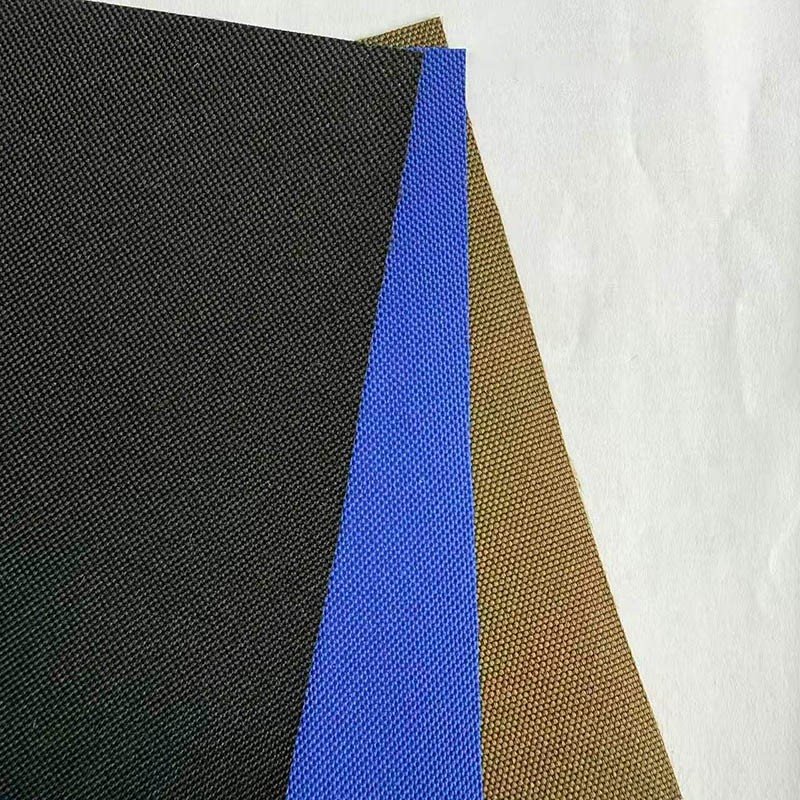
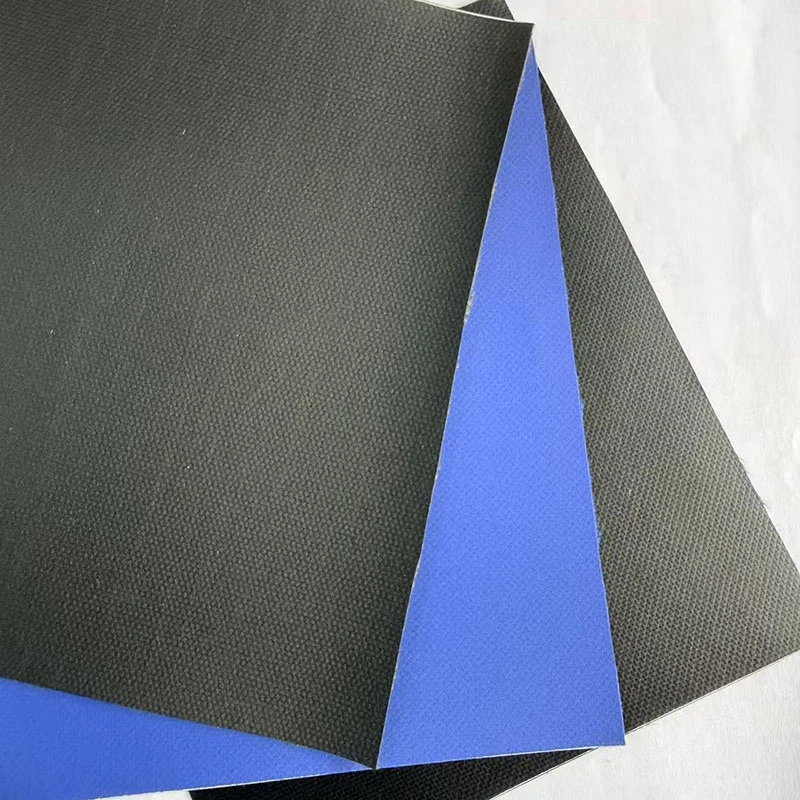
Specialized PA-coated Non-woven Fabrics
We also offer some specialized versions of PA-coated Non-woven Fabric, like Black PA-coated Non-woven Fabric. The black color can add an aesthetic touch, but it also has the same great bonding strength as our regular PA-coated Non-woven Fabric. Additionally, we have UV Resistant Non Woven Fabric and Flame-retardant Non-woven Fabric, which have additional properties while maintaining good bonding strength.
Conclusion
Improving the bonding strength of PA-coated Non-woven Fabric takes some knowledge and a bit of experimentation. By understanding the factors that affect bonding, using pre-treatment and post-treatment methods, and optimizing the coating process, you can achieve a strong and durable bond. If you're in the market for high-quality PA-coated Non-woven Fabric or have any questions about how to improve its bonding strength, don't hesitate to reach out. We're here to help you find the best solutions for your projects.
References
- "Non-woven Fabric Technology and Applications" - A comprehensive guide on non-woven fabric production and uses.
- "Coating Materials and Bonding Principles" - A research paper that delves into the science behind coating and bonding.