

When it comes to outdoor and functional fabrics, Oxford fabric is a name that frequently comes up. As a supplier of Oxford fabric, I often get asked about its various properties, and one question that stands out is: "Is Oxford fabric resistant to mildew?" In this blog post, I'll delve into the science behind mildew resistance in Oxford fabric, explore the factors that influence it, and provide insights based on our experience in the industry.
Understanding Mildew and Its Impact
Mildew is a type of fungus that thrives in warm, humid environments. It can grow on a wide range of surfaces, including fabrics, and can cause several problems. Not only does it create an unsightly appearance with its characteristic white, gray, or black patches, but it can also weaken the fabric over time. Mildew can break down the fibers of the fabric, reducing its strength and durability. This is particularly concerning for products made from Oxford fabric, such as tents, backpacks, and outdoor furniture covers, which are often exposed to the elements.
Factors Affecting Mildew Resistance in Oxford Fabric
The mildew resistance of Oxford fabric depends on several factors, including the type of fibers used, the fabric's construction, and any treatments applied.
Fiber Type
Oxford fabric is typically made from either polyester or nylon. Polyester is known for its natural resistance to mildew. It is a synthetic fiber that does not absorb water easily, which makes it less hospitable to mildew growth. Nylon, on the other hand, is more absorbent and can be more susceptible to mildew if not properly treated. However, modern manufacturing techniques can enhance the mildew resistance of nylon-based Oxford fabrics.
Fabric Construction
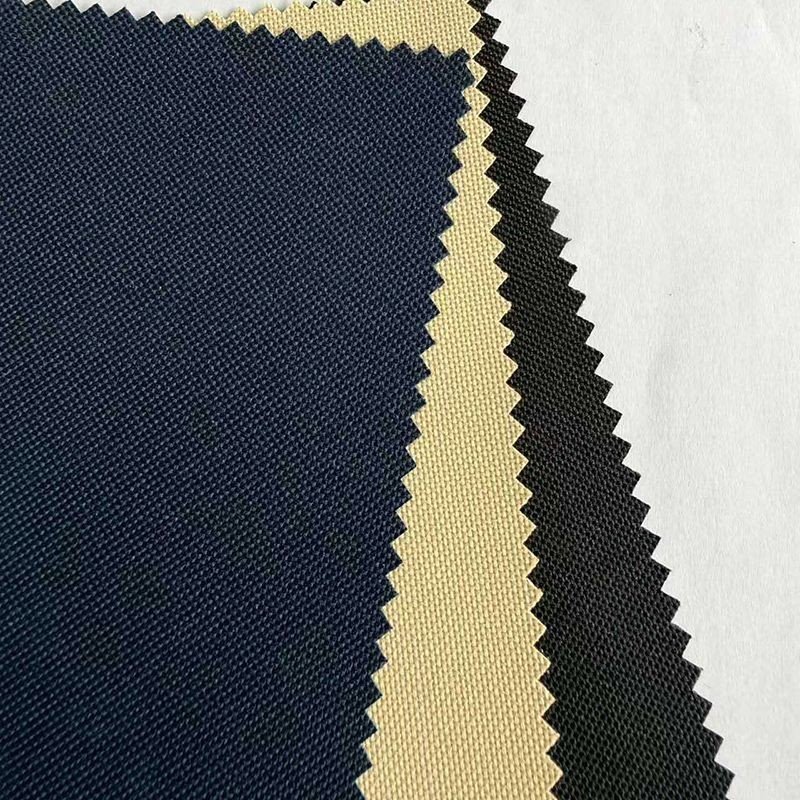
The way the fabric is woven also plays a role in its mildew resistance. Tightly woven Oxford fabrics have fewer gaps between the fibers, which can make it more difficult for mildew spores to penetrate and grow. Additionally, fabrics with a higher thread count generally offer better protection against mildew.

Treatments
Many Oxford fabrics are treated with anti-mildew agents during the manufacturing process. These treatments can significantly enhance the fabric's resistance to mildew. For example, some fabrics are coated with a layer of polyurethane or other protective polymers that create a barrier against moisture and mildew. Other treatments may involve the use of chemical additives that inhibit the growth of mildew.
Our Oxford Fabric Offerings and Their Mildew Resistance
At our company, we offer a wide range of Oxford fabrics, each with its own unique properties and mildew resistance characteristics.
600D TPE Coated Oxford Fabric
This fabric is made from 600 denier polyester fibers and is coated with thermoplastic elastomer (TPE). The TPE coating provides excellent water resistance and also enhances the fabric's mildew resistance. It is a popular choice for outdoor applications such as tents and tarps.
1680D TPE Coated Cationic Oxford Fabric
With a higher denier count of 1680, this fabric is even more durable and resistant to wear and tear. The TPE coating not only protects against water but also helps prevent mildew growth. It is commonly used in high-quality backpacks and luggage.
300D TPE Coated Oxford Fabric
This lighter-weight option is suitable for applications where a more flexible and breathable fabric is required. The TPE coating still provides good mildew resistance, making it a great choice for items like outdoor cushions and covers.
PA-coated Oxford Fabric
The polyamide (PA) coating on this fabric offers excellent water and mildew resistance. It is a versatile fabric that can be used in a variety of outdoor and indoor applications.
600d Oxford Fabric with Pvc Coating
The PVC coating on this fabric provides a high level of water and mildew resistance. It is often used in products that require a waterproof and durable fabric, such as boat covers and outdoor clothing.
Maintaining Mildew Resistance in Oxford Fabric
Even with the best mildew-resistant treatments, proper maintenance is essential to ensure the long-term performance of Oxford fabric. Here are some tips to keep your Oxford fabric products mildew-free:
- Keep it dry: Moisture is the main culprit for mildew growth. After use, make sure to dry the fabric thoroughly before storing it. If the fabric gets wet, hang it in a well-ventilated area to air dry.
- Clean regularly: Regular cleaning can help remove dirt and debris that can provide a breeding ground for mildew. Use a mild detergent and water to clean the fabric, and avoid using harsh chemicals that can damage the fabric or its protective coating.
- Store properly: When not in use, store your Oxford fabric products in a cool, dry place. Avoid storing them in damp or humid areas, as this can increase the risk of mildew growth.
Conclusion
In conclusion, Oxford fabric can be highly resistant to mildew, especially when made from polyester fibers and treated with anti-mildew agents. Our range of Oxford fabrics, including the 600D TPE Coated Oxford Fabric, 1680D TPE Coated Cationic Oxford Fabric, 300D TPE Coated Oxford Fabric, PA-coated Oxford Fabric, and 600d Oxford Fabric with Pvc Coating, offer excellent mildew resistance and are suitable for a wide range of outdoor and indoor applications.
If you're in the market for high-quality, mildew-resistant Oxford fabric, we'd love to hear from you. Whether you're a manufacturer looking for a reliable fabric supplier or a consumer in need of a specific product, we can provide you with the information and support you need. Contact us today to discuss your requirements and start a partnership that will meet your fabric needs.
References
- "Textile Science and Technology: Fibers, Yarns, Fabrics, Finishes, and Performance" by J. E. Booth.
- "Outdoor Textiles: Design, Function, and Performance" by A. R. Horrocks.