

Yo, fellow industry peeps! I'm a supplier of Flame-retardant Non-woven Fabric, and I've been in this game for a while. One question I get asked a lot is, "How do you store flame-retardant non-woven fabric properly?" Well, I'm here to share my tips and tricks to make sure your fabric stays in top-notch condition.
Why Proper Storage Matters
First off, let's talk about why storing flame-retardant non-woven fabric correctly is so important. This fabric is designed to resist fire, which is a huge selling point. But if it's not stored right, its flame-retardant properties can degrade over time. That means you might end up with a product that doesn't meet the required safety standards, and no one wants that.
Plus, proper storage helps prevent damage from things like moisture, pests, and physical wear and tear. You don't want your fabric to get moldy, eaten by bugs, or torn up before it even reaches the customer. So, let's dive into the details of how to store this stuff right.
Choosing the Right Storage Location
The first step in storing flame-retardant non-woven fabric is finding the right place to keep it. You want a storage area that's clean, dry, and well-ventilated. Avoid areas that are prone to flooding or have high humidity levels, like basements or near leaky pipes.
A temperature-controlled environment is ideal. Extreme heat or cold can affect the fabric's structure and performance. Aim for a storage temperature between 50°F and 80°F (10°C and 27°C) and a relative humidity between 30% and 60%. This helps maintain the fabric's integrity and ensures its flame-retardant properties stay intact.
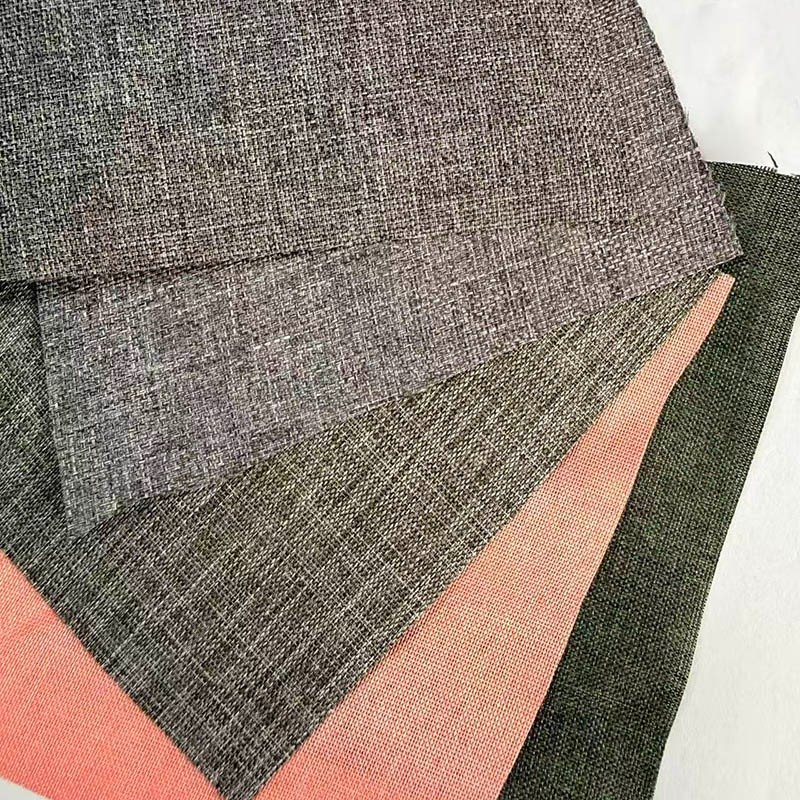
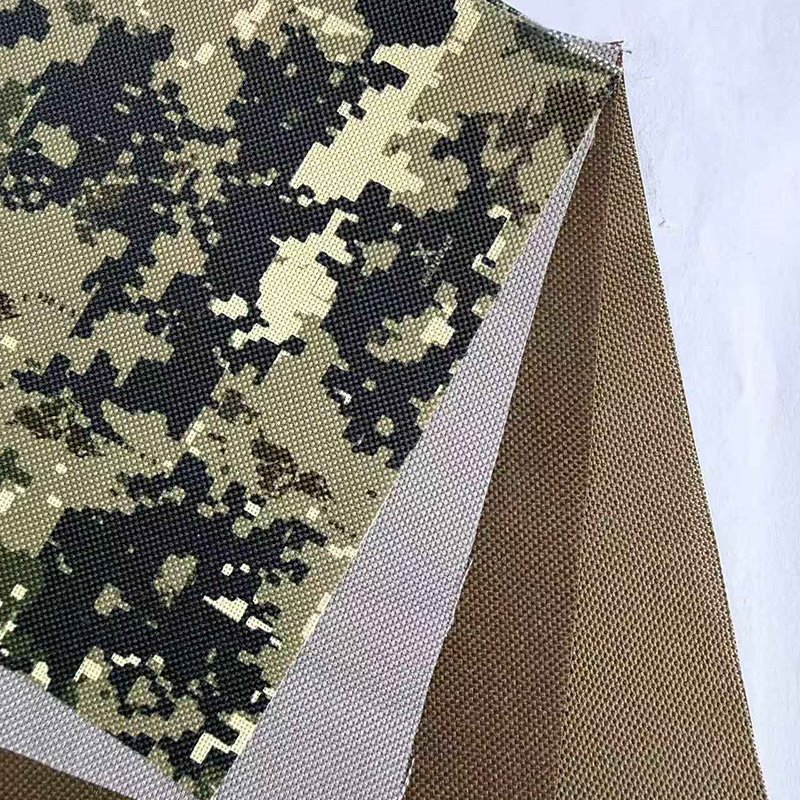
If possible, store the fabric off the floor. You can use pallets or shelves to keep it elevated. This prevents moisture from seeping in from the floor and protects the fabric from potential damage if there's a spill or flood.
Protecting the Fabric from Physical Damage
Once you've found the right storage location, you need to protect the fabric from physical damage. This means keeping it away from sharp objects, heavy machinery, and anything that could cause tears or abrasions.
When stacking the fabric, be careful not to put too much weight on top of it. Overloading can compress the fabric and cause it to lose its shape or damage its fibers. Use proper stacking techniques and make sure the stacks are stable and secure.
You can also use protective covers or wrapping to shield the fabric from dust, dirt, and scratches. For example, you can wrap the fabric in plastic sheeting or store it in sealed containers. This not only protects the fabric but also makes it easier to handle and transport.
Preventing Pest Infestations
Pests can be a major problem when it comes to storing fabric. Insects like moths and beetles can eat through the fibers, causing irreparable damage. To prevent pest infestations, keep the storage area clean and free of debris. Regularly vacuum the floors and shelves to remove any dust or food particles that might attract pests.
You can also use pest control measures like insect repellents or traps. However, be careful when using chemicals around the fabric, as some pesticides can damage the flame-retardant properties. Look for natural or non-toxic pest control solutions that are safe for use with fabric.
Managing Inventory and Rotation
Proper inventory management is crucial when storing flame-retardant non-woven fabric. Keep track of your stock levels and expiration dates (if applicable). This helps you avoid overstocking or understocking and ensures that you're using the oldest fabric first.
Implement a first-in, first-out (FIFO) system for inventory rotation. This means that the fabric that was received first should be used or shipped out first. This helps prevent the fabric from sitting in storage for too long and losing its effectiveness.
Regularly inspect your inventory to check for any signs of damage or degradation. If you notice any issues, take immediate action to address them. This might involve moving the damaged fabric to a separate area or disposing of it properly.
Special Considerations for Different Types of Flame-retardant Non-woven Fabric
Not all flame-retardant non-woven fabrics are created equal. Some types may require special storage considerations. For example, PA-coated Non-woven Fabric may be more sensitive to moisture than other types of fabric. In this case, you'll need to take extra precautions to keep it dry.
Similarly, PU-coated Oxford Cloth may require a different storage temperature or humidity range. Make sure you understand the specific storage requirements for each type of fabric you're dealing with.
Conclusion
Storing flame-retardant non-woven fabric properly is essential for maintaining its quality and performance. By choosing the right storage location, protecting it from physical damage, preventing pest infestations, managing inventory, and considering the specific needs of different fabric types, you can ensure that your fabric stays in great condition until it's ready to be used.
If you're in the market for high-quality Flame-retardant Non-woven Fabric, UV Resistant Non Woven Fabric, Black PA-coated Non-woven Fabric, or other related products, I'm here to help. Just reach out, and we can start a conversation about your needs. Let's work together to find the perfect solutions for your projects!
References
- Textile Storage Guidelines, Industry Best Practices
- Flame-retardant Fabric Technical Specifications