

As a trusted supplier of 300D Cationic Oxford Fabric, I often encounter inquiries about the folding endurance of this fabric. Folding endurance is a crucial property that determines the fabric's durability and performance in various applications. In this blog post, I will delve into the concept of folding endurance, explain its significance for 300D Cationic Oxford Fabric, and discuss the factors that influence it.
Understanding Folding Endurance
Folding endurance refers to a fabric's ability to withstand repeated folding and unfolding without significant damage or loss of strength. It is typically measured by subjecting a fabric specimen to a specified number of folds under controlled conditions and then evaluating its physical properties, such as tensile strength, tear strength, and appearance. A fabric with high folding endurance can withstand numerous folds without breaking, fraying, or developing visible signs of wear, making it suitable for applications that require frequent folding or bending.
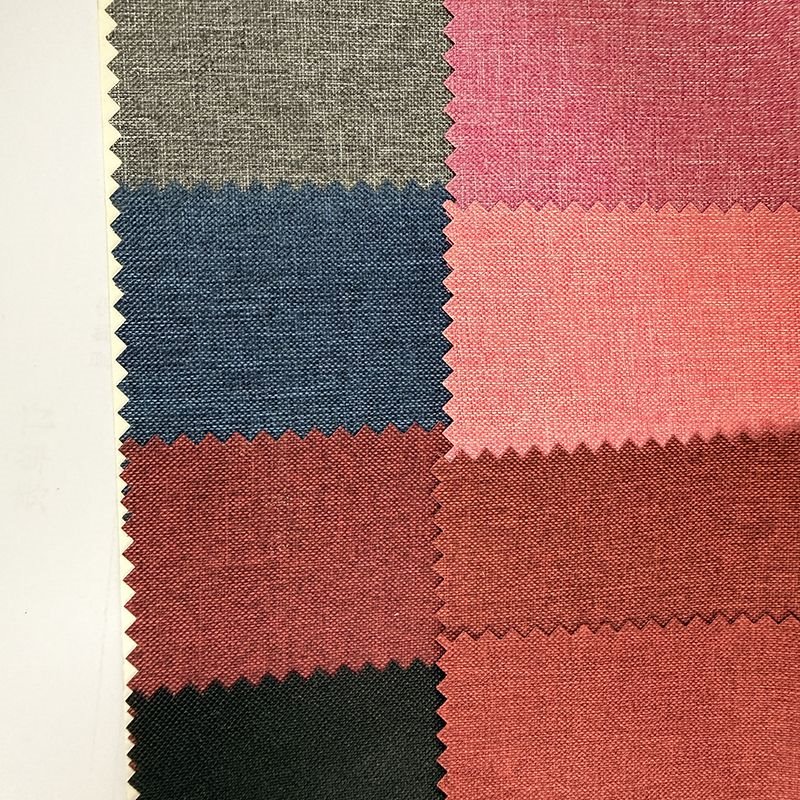
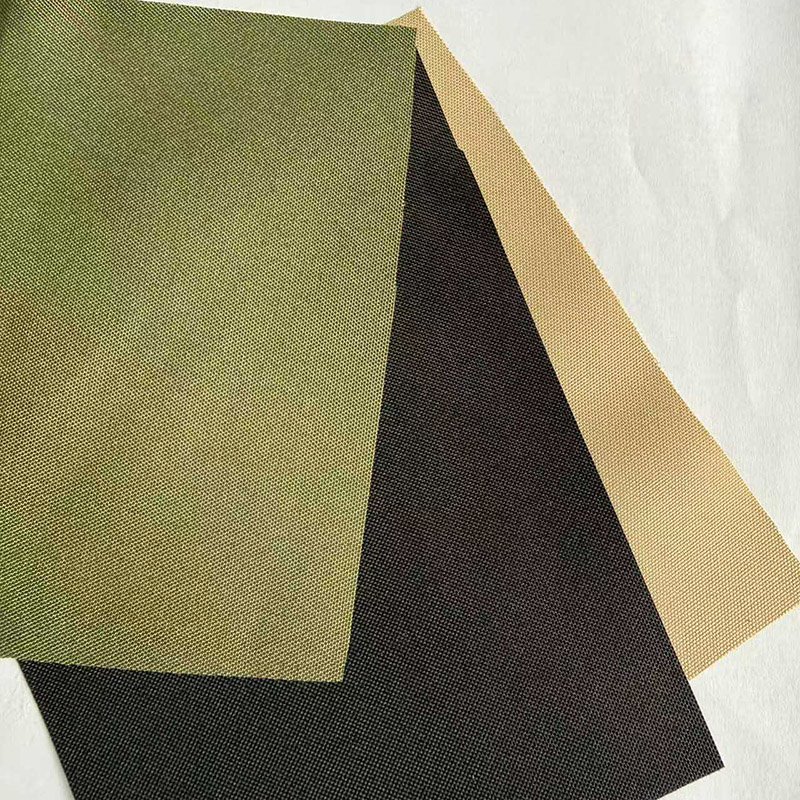
Significance of Folding Endurance for 300D Cationic Oxford Fabric
300D Cationic Oxford Fabric is a popular choice for a wide range of applications, including outdoor equipment, luggage, bags, and protective clothing. In these applications, the fabric is often subjected to repeated folding and unfolding during use, storage, and transportation. Therefore, having high folding endurance is essential to ensure the fabric's long-term durability and performance.
For example, in outdoor equipment such as tents and backpacks, the fabric needs to withstand frequent folding and unfolding as it is set up and taken down. A fabric with poor folding endurance may develop cracks, tears, or fraying at the fold lines, compromising the integrity of the equipment and reducing its lifespan. Similarly, in luggage and bags, the fabric needs to withstand repeated folding and creasing as it is packed and unpacked. A fabric with high folding endurance can maintain its shape and appearance over time, ensuring that the luggage or bag remains functional and attractive.
Factors Affecting the Folding Endurance of 300D Cationic Oxford Fabric
Several factors can influence the folding endurance of 300D Cationic Oxford Fabric, including:
Fiber Type and Quality
The type and quality of fibers used in the fabric play a significant role in determining its folding endurance. 300D Cationic Oxford Fabric is typically made from polyester fibers, which are known for their strength, durability, and resistance to abrasion. However, the quality of the polyester fibers can vary, and higher-quality fibers generally have better folding endurance. Additionally, some fabrics may incorporate other fibers, such as nylon or cotton, to enhance their performance characteristics.
Fabric Construction
The construction of the fabric, including the weave pattern, thread count, and fabric weight, can also affect its folding endurance. A tightly woven fabric with a high thread count generally has better folding endurance than a loosely woven fabric. Additionally, a heavier fabric may have better folding endurance than a lighter fabric, as it is more resistant to damage.
Coating and Finishing
The coating and finishing applied to the fabric can also impact its folding endurance. Coatings such as 300D TPE Coated Oxford Fabric, 300D PE Coated Oxford Fabric, Pa Coated Fabric, and Pvc Coated Oxford Fabric can provide additional protection and enhance the fabric's resistance to wear, tear, and moisture. However, some coatings may also make the fabric stiffer and less flexible, which can reduce its folding endurance.
Environmental Conditions
The environmental conditions in which the fabric is used and stored can also affect its folding endurance. Exposure to extreme temperatures, humidity, sunlight, and chemicals can cause the fabric to degrade over time, reducing its strength and folding endurance. Therefore, it is important to store and use the fabric in a suitable environment to ensure its long-term durability.
Testing the Folding Endurance of 300D Cationic Oxford Fabric
To determine the folding endurance of 300D Cationic Oxford Fabric, various testing methods can be used. One common method is the MIT folding endurance test, which involves folding a fabric specimen back and forth under a specified load until it breaks. The number of folds required to break the fabric is then recorded as the folding endurance.
Another method is the Schopper folding endurance test, which uses a different folding mechanism to simulate the folding and unfolding of the fabric in real-world applications. This test measures the number of folds the fabric can withstand before it develops a specified level of damage or loss of strength.
Improving the Folding Endurance of 300D Cationic Oxford Fabric
There are several ways to improve the folding endurance of 300D Cationic Oxford Fabric, including:
Choosing High-Quality Fibers
Selecting high-quality polyester fibers or a blend of fibers with good folding endurance properties can significantly improve the fabric's performance. Additionally, using fibers that are treated with special finishes or coatings can enhance their resistance to wear and tear.
Optimizing Fabric Construction
Choosing a tight weave pattern and a high thread count can improve the fabric's strength and folding endurance. Additionally, adjusting the fabric weight and thickness can also affect its performance.
Applying Suitable Coatings and Finishes
Applying a suitable coating or finish to the fabric can provide additional protection and enhance its resistance to wear, tear, and moisture. However, it is important to choose a coating or finish that does not compromise the fabric's flexibility and folding endurance.
Proper Storage and Handling
Storing and handling the fabric properly can also help to maintain its folding endurance. Avoiding exposure to extreme temperatures, humidity, sunlight, and chemicals can prevent the fabric from degrading over time. Additionally, folding the fabric carefully and avoiding sharp creases or folds can reduce the risk of damage.
Conclusion
In conclusion, the folding endurance of 300D Cationic Oxford Fabric is an important property that determines its durability and performance in various applications. By understanding the factors that affect folding endurance, testing the fabric using appropriate methods, and taking steps to improve its performance, you can ensure that your 300D Cationic Oxford Fabric meets your specific requirements and provides long-lasting value.
If you are interested in purchasing high-quality 300D Cationic Oxford Fabric with excellent folding endurance, please contact me for more information. I would be happy to discuss your needs and provide you with a customized solution.
References
- ASTM D2176 - Standard Test Method for Folding Endurance of Textile Fabrics (MIT Method)
- ISO 5626:1993 Textiles - Determination of the folding endurance of fabrics - Schopper type tester