

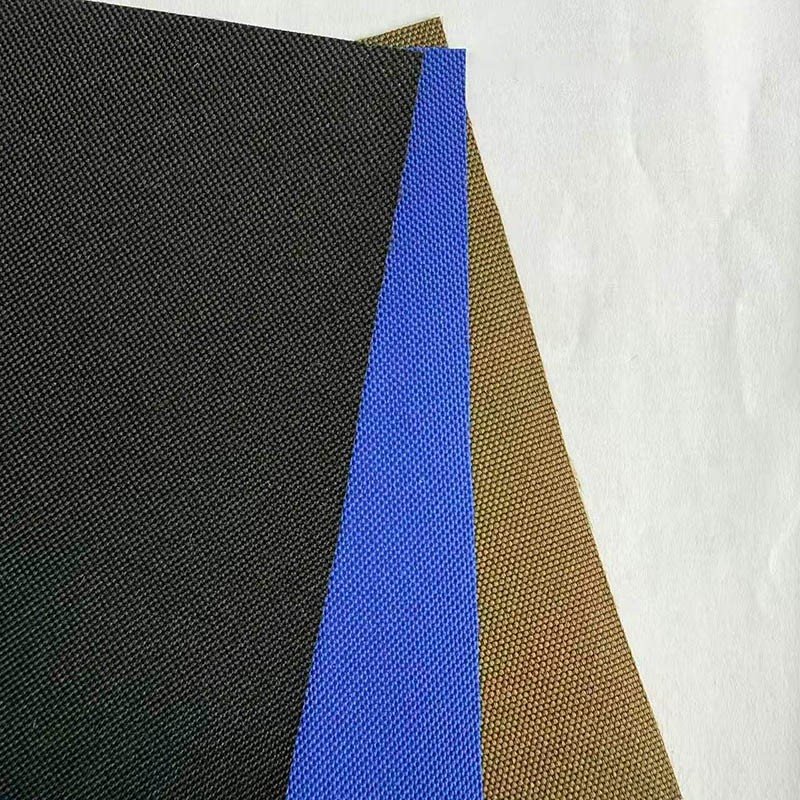
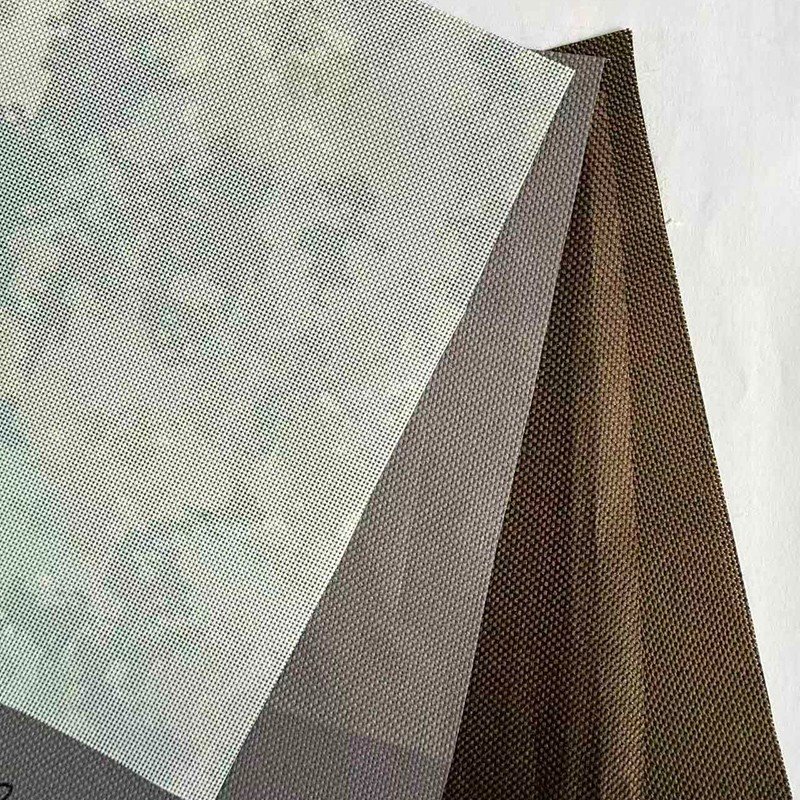
As a supplier of PA-coated Non-woven Fabric, I understand the critical importance of ensuring the quality of our products. PA-coated Non-woven Fabric, available at PA-coated Non-woven Fabric, is widely used in various industries due to its unique properties such as durability, water resistance, and flexibility. In this blog post, I will share some effective methods to test the quality of PA-coated Non-woven Fabric.
1. Physical Appearance Inspection
The first step in testing the quality of PA-coated Non-woven Fabric is to conduct a visual inspection. A high-quality fabric should have a uniform appearance without any obvious defects such as holes, tears, scratches, or uneven coating. Here are some key points to look for:
- Color Consistency: Check if the color of the fabric is consistent throughout. Any color variations may indicate issues with the coating process or material quality. For example, Black PA-coated Non-woven Fabric should have a deep, even black color without any streaks or patches.
- Surface Smoothness: Run your hand over the surface of the fabric to feel for any roughness or bumps. A smooth surface is a sign of a well-applied coating and high-quality base material.
- Edge Finish: Examine the edges of the fabric. They should be cleanly cut and free from fraying or loose fibers. A proper edge finish ensures the fabric can be easily used in further processing.
2. Tensile Strength Testing
Tensile strength is a crucial property of PA-coated Non-woven Fabric, as it determines the fabric's ability to withstand stretching and pulling forces without breaking. To test the tensile strength:
- Prepare the Sample: Cut a rectangular sample of the fabric with a specified width and length according to relevant standards. For example, the ASTM D5034 standard recommends a sample width of 1 inch and a gauge length of 2 inches.
- Use a Tensile Tester: Place the sample in the jaws of a tensile tester and gradually increase the pulling force until the fabric breaks. Record the maximum force applied and calculate the tensile strength in pounds per square inch (psi) or Newtons per square meter (N/m²).
- Compare with Standards: Compare the test results with the industry standards or the customer's requirements. A higher tensile strength indicates better quality and durability of the fabric.
3. Water Resistance Testing
One of the main advantages of PA-coated Non-woven Fabric is its water resistance. To test the water resistance of the fabric:
- Water Drop Test: Place a few drops of water on the surface of the fabric and observe how they behave. If the water droplets bead up and do not soak into the fabric, it indicates good water resistance. On the other hand, if the water spreads or soaks into the fabric, it may suggest a poor coating or a damaged surface.
- Hydrostatic Pressure Test: This test measures the ability of the fabric to withstand water pressure without leaking. A sample of the fabric is placed in a hydrostatic pressure tester, and water pressure is gradually increased until water starts to penetrate the fabric. The hydrostatic head, which is the height of the water column that causes leakage, is recorded as a measure of water resistance. A higher hydrostatic head indicates better water resistance.
4. Abrasion Resistance Testing
Abrasion resistance is important for PA-coated Non-woven Fabric, especially in applications where the fabric is likely to come into contact with rough surfaces or experience friction. To test the abrasion resistance:
- Taber Abrasion Test: Use a Taber abraser to rub the fabric against an abrasive wheel under a specified load. After a certain number of cycles, measure the weight loss or the change in appearance of the fabric. A lower weight loss and less visible damage indicate better abrasion resistance.
- Martindale Abrasion Test: This test involves rubbing the fabric against a standard abrasive material in a circular motion. Similar to the Taber abrasion test, the weight loss and the change in appearance are measured to evaluate the abrasion resistance.
5. UV Resistance Testing
In outdoor applications, PA-coated Non-woven Fabric needs to have good UV resistance to prevent degradation and color fading. To test the UV resistance:
- Xenon Arc Weathering Test: Expose the fabric sample to a xenon arc lamp, which simulates natural sunlight, in a controlled environment. The sample is exposed to a combination of light, heat, and moisture for a specified period. After the exposure, evaluate the change in color, strength, and appearance of the fabric. A fabric with good UV resistance will show minimal changes.
- UV Fluorescent Lamp Test: This test uses a UV fluorescent lamp to expose the fabric to a specific wavelength of UV light. Similar to the xenon arc weathering test, the changes in the fabric are evaluated after the exposure. UV Resistant Non Woven Fabric should perform well in these tests.
6. Flame Retardancy Testing
In some applications, such as in the automotive or furniture industry, flame retardancy is a critical requirement. To test the flame retardancy of PA-coated Non-woven Fabric:
- Vertical Flame Test: Hang a sample of the fabric vertically and expose it to a flame for a specified time. Measure the ignition time, the burning time after the flame is removed, and the length of the charred area. A fabric that self-extinguishes quickly and has a short charred length is considered flame retardant.
- Cone Calorimeter Test: This test measures the heat release rate, the mass loss rate, and the smoke production of the fabric when exposed to a heat source. It provides a more comprehensive evaluation of the fire performance of the fabric. Flame-retardant Non-woven Fabric should meet the relevant flame retardancy standards.
7. Chemical Resistance Testing
PA-coated Non-woven Fabric may come into contact with various chemicals in different applications. To test the chemical resistance:
- Immersion Test: Immerse a sample of the fabric in a specific chemical solution for a specified period. After the immersion, evaluate the change in appearance, strength, and other properties of the fabric. A fabric with good chemical resistance will show minimal changes.
- Spot Test: Apply a small amount of the chemical solution on the surface of the fabric and observe the reaction. If there is no discoloration, swelling, or other visible damage, it indicates good chemical resistance.
Conclusion
Testing the quality of PA-coated Non-woven Fabric is essential to ensure its performance and meet the requirements of different applications. By conducting a comprehensive set of tests, including physical appearance inspection, tensile strength testing, water resistance testing, abrasion resistance testing, UV resistance testing, flame retardancy testing, and chemical resistance testing, we can guarantee the high quality of our products.
If you are interested in purchasing high-quality PA-coated Non-woven Fabric or have any questions about our products, please feel free to contact us for procurement and negotiation. We are committed to providing you with the best products and services.
References
- ASTM D5034 - Standard Test Method for Breaking Strength and Elongation of Textile Fabrics (Grab Test)
- ISO 13934 - Textiles - Tensile properties of fabrics - Part 1: Determination of maximum force and elongation at maximum force using the strip method