

Hey there! As a supplier of Pu Coated Oxford Fabric, I often get asked if this type of fabric is antistatic. It's a pretty common question, especially in industries where static electricity can cause a whole bunch of problems. So, let's dig into this topic and find out the real deal.
First off, let's talk a bit about what Pu Coated Oxford Fabric is. Oxford fabric is known for its durability and versatility. It's made from a special weaving technique that results in a strong and stable textile. The PU (Polyurethane) coating adds a layer of protection on top of the base Oxford fabric. This coating can make the fabric waterproof, resistant to abrasion, and enhance its overall strength. You can check out more about Pu Coated Oxford Fabric on our website.
Now, onto the main question: Is Pu Coated Oxford Fabric antistatic? Well, the short answer is it depends. By default, neither the base Oxford fabric nor the PU coating is inherently antistatic. Oxford fabric is usually made from materials like polyester or nylon, and these materials are known to generate static electricity. When the fabric rubs against other surfaces or even itself, electrons can be transferred, creating a static charge.
The PU coating, on the other hand, is a polymer. Polymers are generally good insulators, which means they can hold onto static charges. So, in its natural state, Pu Coated Oxford Fabric is not antistatic. But here's the good news - we can make it antistatic!
There are a few ways to make Pu Coated Oxford Fabric antistatic. One common method is to add antistatic agents during the manufacturing process. These agents work by reducing the surface resistance of the fabric. When the surface resistance is low, the static charges can dissipate more easily instead of building up. Another way is to use conductive fibers in the base fabric. These fibers can act as pathways for the static charges to flow, preventing them from accumulating.
Let's compare Pu Coated Oxford Fabric with some other types of coated Oxford fabrics in terms of antistatic properties. For example, 1680D TPE Coated Cationic Oxford Fabric. TPE (Thermoplastic Elastomer) is also a type of polymer. Similar to PU, TPE itself is not antistatic, but it can be treated to have antistatic properties. The process is quite similar to what we do with Pu Coated Oxford Fabric.
Then there's 1680D PE Coated Cationic Oxford Fabric. PE (Polyethylene) is another polymer used for coating. Just like PU and TPE, it needs to be specially treated to be antistatic. The treatment methods are similar, and often the choice between these fabrics depends on other factors like cost, flexibility, and specific application requirements.
Pvc Oxford Fabric is also a popular option. PVC (Polyvinyl Chloride) has some inherent properties that can make it relatively easier to treat for antistatic purposes compared to some other polymers. But still, it usually requires the addition of antistatic agents to achieve good antistatic performance.
Lastly, PA-coated Oxford Fabric. PA (Polyamide) is a strong and durable polymer. However, like the others, it's not naturally antistatic. And just like the other fabrics, we can use antistatic treatments to make it suitable for applications where static electricity is a concern.
So, why would you need antistatic Pu Coated Oxford Fabric? There are many industries where static electricity can be a real headache. In the electronics industry, for example, static charges can damage sensitive electronic components. Antistatic fabric can be used to make protective covers, bags, and even workwear to prevent static from harming the devices.
In the textile and clothing industry, static electricity can cause clothing to cling to the body, which is not only uncomfortable but also looks unappealing. Antistatic Pu Coated Oxford Fabric can be used to make functional and stylish clothing that doesn't have that annoying static problem.
In the automotive industry, static charges can attract dust and dirt, which can be a problem for the interior of the vehicle. Using antistatic fabric for car seats, door panels, and other interior parts can help keep the car clean and looking good.
If you're in need of antistatic Pu Coated Oxford Fabric or any of our other coated Oxford fabrics, we're here to help. We have the expertise and the technology to provide you with high - quality fabrics that meet your specific requirements. Whether you need a small quantity for a prototype or a large order for mass production, we're ready to serve you.
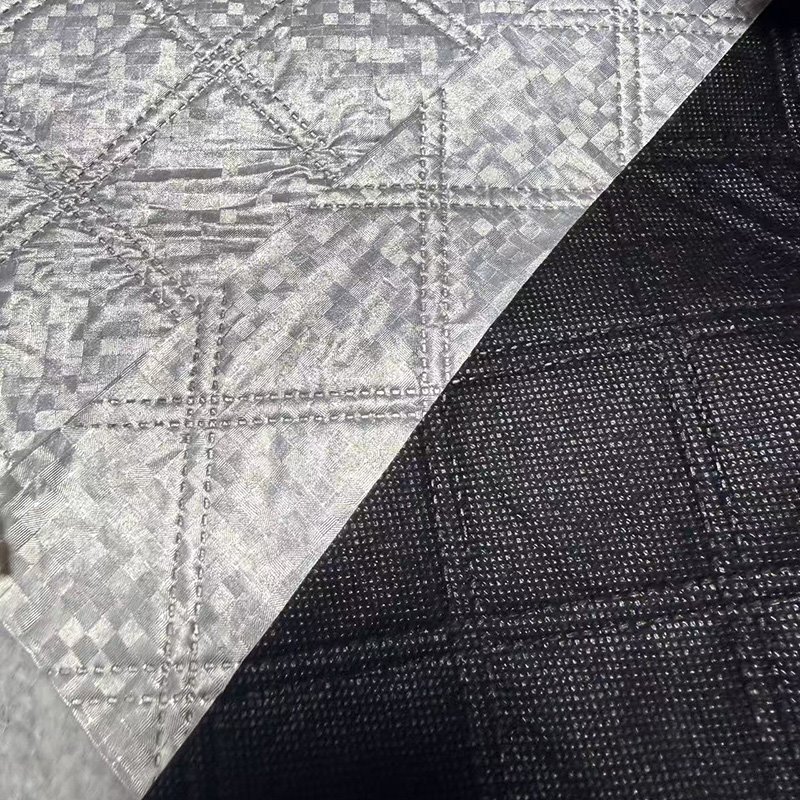
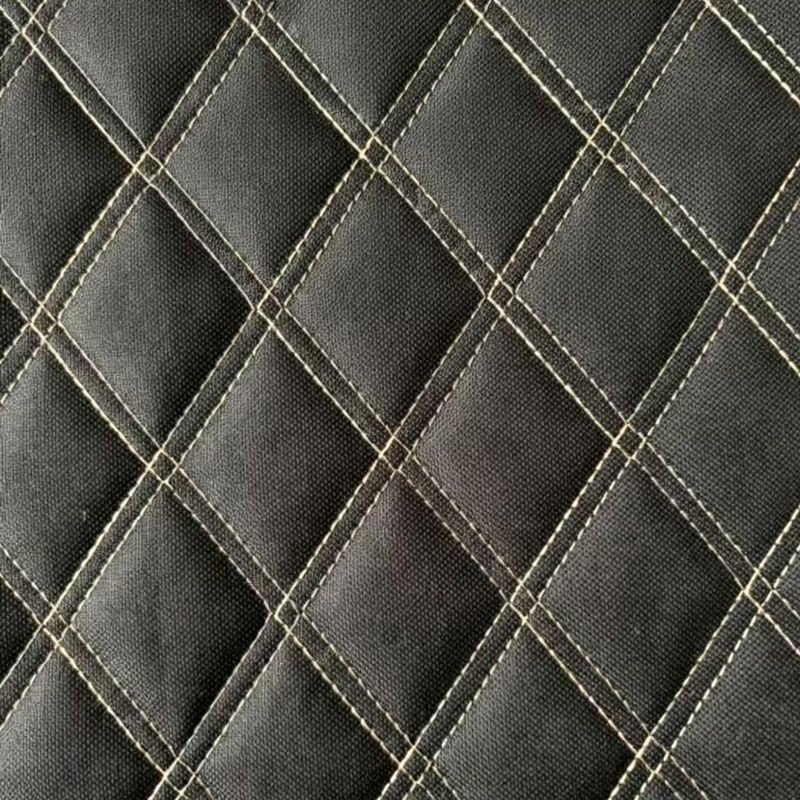
We can customize the antistatic properties of the fabric according to your needs. We'll work closely with you to understand your application and ensure that the fabric we provide performs exactly as you expect. So, don't hesitate to reach out to us for a quote or to discuss your project in more detail.
In conclusion, while Pu Coated Oxford Fabric is not antistatic by default, it can definitely be made antistatic through various treatment methods. And as a reliable supplier, we're committed to providing you with the best - quality antistatic fabrics for your business.
References
- Textile Science and Technology textbooks
- Industry reports on coated fabric properties
- Research papers on antistatic treatments for polymers