

Yo, if you're in the market for non - woven fabrics, chances are you've come across flame - retardant non - woven fabric. I'm a supplier of these awesome fabrics, and today, I wanna talk about one of the key aspects of them: dyeability.
First off, let me give you a quick rundown on what flame - retardant non - woven fabric is. Flame - retardant Non - woven Fabric is a special type of fabric that's made to resist catching fire easily. It's used in a ton of industries, from home furniture and bedding to automotive interiors and even some types of workwear. This fabric is created through a process that combines fibers and chemical treatments to give it that fire - resistant quality.
Now, when we talk about dyeability, we're essentially looking at how well the fabric can take on color. There are a few factors that play into the dyeability of flame - retardant non - woven fabric.
Fiber Composition
The type of fibers used in the fabric has a huge impact on how it can be dyed. Most flame - retardant non - woven fabrics are made from synthetic fibers like polyester or polypropylene. These synthetic fibers have different properties when it comes to absorbing dyes.
Polyester, for example, is a tough nut to crack when it comes to dyeing. It's a very hydrophobic fiber, which means it doesn't like to absorb water or dye molecules easily. To dye polyester flame - retardant non - woven fabric, you usually need to use special disperse dyes at high temperatures. These dyes are designed to penetrate the tightly packed polyester fibers.
On the other hand, polypropylene is even more of a challenge. It's one of the most non - polar synthetic fibers, which makes it extremely difficult for dyes to adhere to it. Specialized dyeing techniques, like using wax - based dyes or applying a pre - treatment to the fabric to make it more receptive to dyes, are often required.
Chemical Treatment
The flame - retardant chemicals used in the fabric can also affect its dyeability. Some of the treatments can create a barrier on the surface of the fibers, preventing the dye from properly penetrating. For example, if a fabric is treated with a phosphorus - based flame - retardant, it might leave a residue or change the surface properties of the fibers. This can lead to uneven dyeing or a lower color fastness, which means the color might fade more easily over time.
Dyeing Process
The way you dye the fabric matters a great deal. There are different dyeing methods available, such as batch dyeing and continuous dyeing.
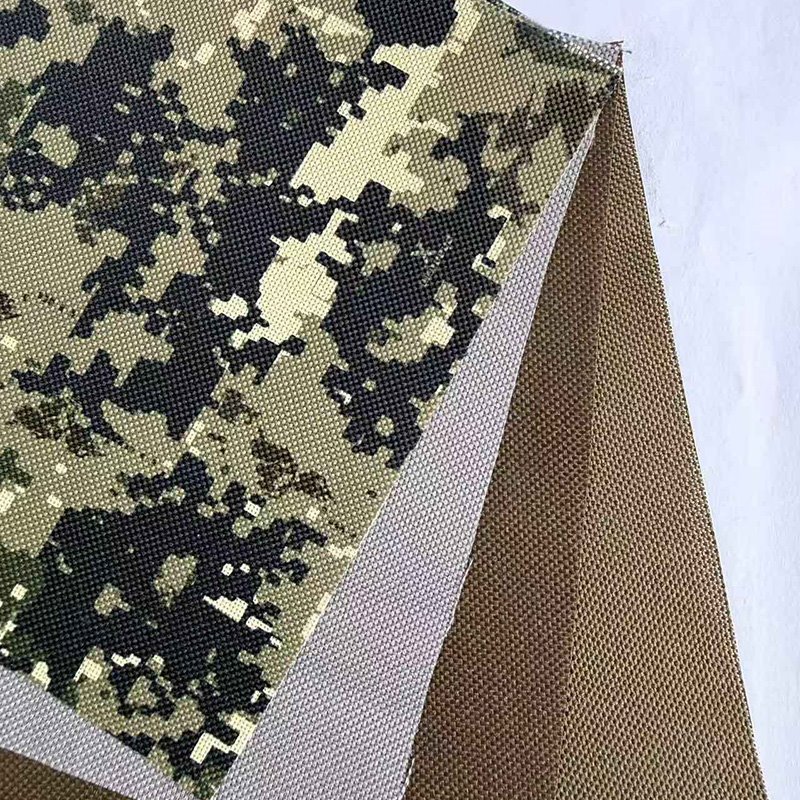
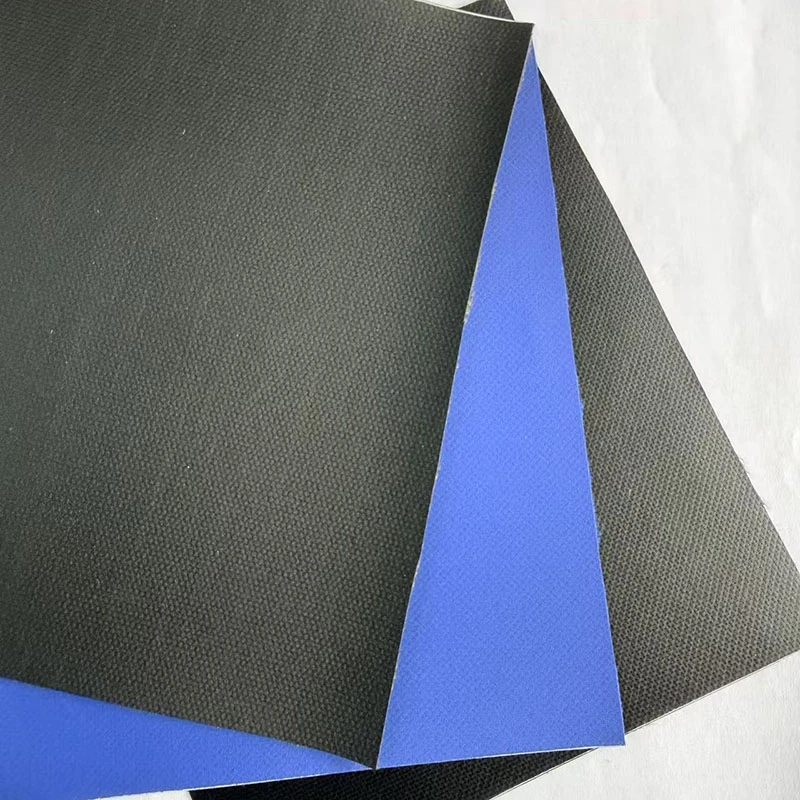
Batch dyeing involves dyeing a specific amount of fabric at one time in a large dye bath. This method allows for more control over the dyeing process, but it can also be more time - consuming. You need to make sure the fabric is properly agitated in the dye bath to ensure even dye distribution.
Continuous dyeing, on the other hand, is a faster process where the fabric is passed continuously through a series of dyeing stations. This is great for large - scale production, but it requires precise control of the dyeing parameters. If the speed of the fabric passing through the dyeing stations is too fast, the dye might not have enough time to penetrate the fabric properly.
Quality of Dyes
The quality of the dyes you use is another crucial factor. Using high - quality dyes can make a huge difference in the final result. Good dyes are more likely to have better color fastness, which means they'll stay vibrant and won't fade easily. Cheaper dyes might be more prone to bleeding, which can cause an uneven appearance on the fabric.
Benefits of Good Dyeability
When a flame - retardant non - woven fabric has good dyeability, it offers a bunch of advantages. For one, it allows for a wider range of colors. This is great for designers and manufacturers who want to create products that stand out. Whether it's a bright red sofa cover or a stylish blue automotive interior, good dyeability means the sky's the limit in terms of color options.
It also improves the aesthetic appeal of the final product. A well - dyed fabric looks more professional and high - quality. Customers are more likely to be attracted to products that have vibrant, even colors.
Challenges in Dyeing Flame - Retardant Non - Woven Fabric
As I mentioned earlier, there are some challenges in dyeing this type of fabric. Achieving even color distribution can be difficult, especially due to the fiber composition and the flame - retardant treatments. You might end up with some areas that are darker or lighter than others.
Another challenge is maintaining the flame - retardant properties during the dyeing process. Some dyes or dyeing methods might interact with the flame - retardant chemicals, reducing their effectiveness. This means you need to be very careful when choosing the dyes and the dyeing process to make sure the fabric still meets the required fire - safety standards.
Our Solutions
As a supplier of Flame - retardant Non - woven Fabric, we've dealt with these challenges and come up with some solutions. We work with top - notch dye suppliers to ensure we're using the best - quality dyes. Our team of experts is constantly researching and testing new dyeing techniques to improve the dyeability of our fabrics while maintaining their flame - retardant features.
We also offer a variety of flame - retardant non - woven fabrics with different fiber compositions. This allows our customers to choose the fabric that best suits their dyeing needs and the requirements of their final products.
Other Related Fabrics
While we're on the topic of non - woven fabrics, I'd also like to mention some other related products we offer. PA - coated Non - woven Fabric is great for applications where you need additional strength and water resistance. UV Resistant Non Woven Fabric is perfect for outdoor use as it can withstand the damaging effects of the sun. And if you're looking for a more stylish option, our Black PA - coated Non - woven Fabric has a sleek, modern look. We also have PU - coated Oxford Cloth, which is known for its durability and versatility.
Let's Connect
If you're interested in our flame - retardant non - woven fabric or any of our other products, I'd love to hear from you. Whether you have questions about dyeability, want to request samples, or are ready to place an order, getting in touch with us is a breeze. Simply reach out, and we'll guide you through the process. We're here to help you find the perfect fabric for your project.
References
- "Non - woven Fabric Technology Handbook" by John Smith
- "Dyeing and Finishing of Synthetic Fibers" by Emily Johnson
- "Fire - retardant Materials: Principles and Applications" by David Brown