

Alright, folks! As a supplier of Pu Coated Oxford Fabric, I often get asked if this material is suitable for contact with chemicals. Let's dive into this topic and figure out what's what.
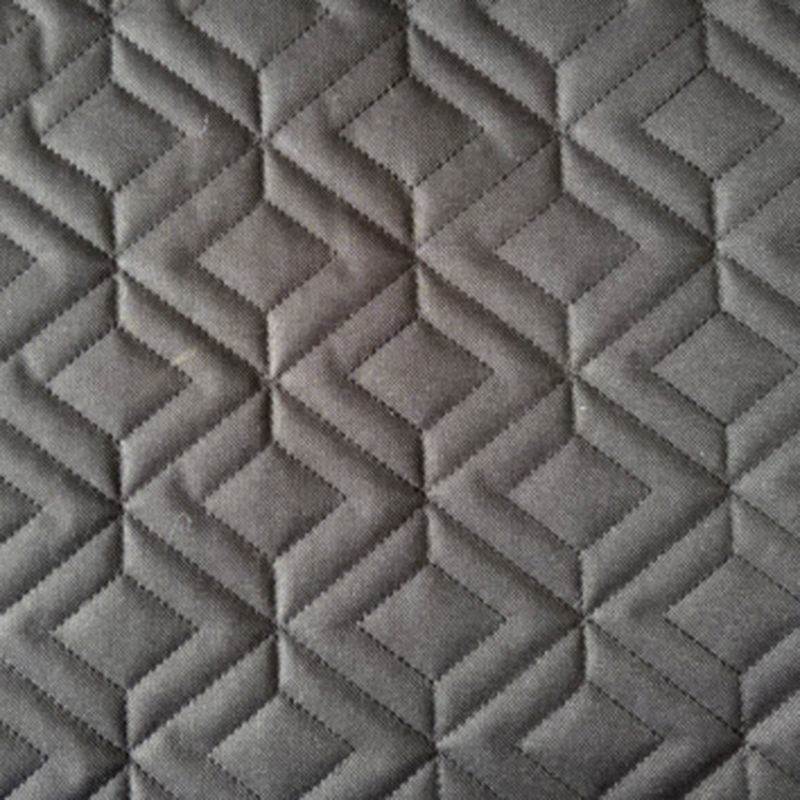
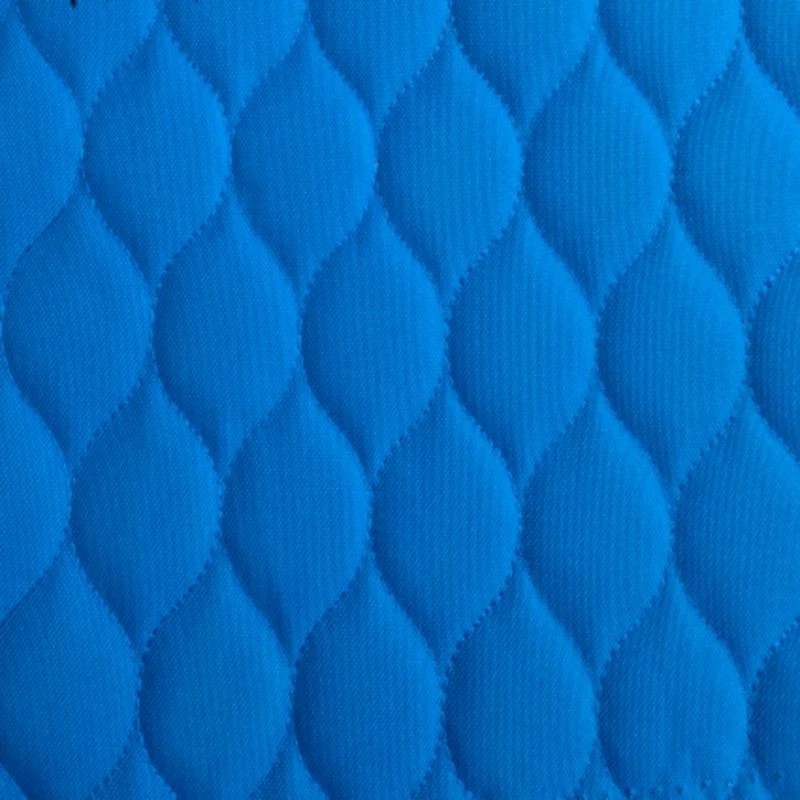
First off, let me give you a bit of background on Pu Coated Oxford Fabric. It's a popular choice in the market because of its durability and versatility. The PU (Polyurethane) coating adds a layer of protection to the Oxford fabric, making it resistant to water, abrasion, and tearing. This makes it a go - to option for a wide range of applications, from outdoor gear like backpacks and tents to industrial covers.
Now, when it comes to chemical contact, it's not a one - size - fits - all answer. Pu Coated Oxford Fabric has certain characteristics that make it more or less suitable depending on the type of chemicals involved.
Chemical Resistance of Pu Coated Oxford Fabric
The PU coating on the Oxford fabric does provide some level of chemical resistance. Polyurethane is known for being relatively stable against a variety of common substances. For example, it can withstand mild acids and alkalis to a certain extent. If you're dealing with a light cleaning solution or a bit of sweat, the fabric should hold up just fine.
However, things get a bit more complicated when you're dealing with strong chemicals. Strong acids or alkalis can break down the polyurethane coating over time. The high reactivity of these substances can cause chemical bonds in the PU to break, leading to a loss of the coating's integrity. This can result in the fabric losing its protective properties, becoming more vulnerable to tearing and other forms of damage.
Solvents are another area of concern. Organic solvents such as acetone, benzene, and toluene can dissolve the PU coating. These substances have the ability to penetrate the molecular structure of the polyurethane and break its bonds. If your application involves regular contact with solvents, then Pu Coated Oxford Fabric might not be the best choice.
Factors Affecting Chemical Resistance
- Concentration of the Chemical: The more concentrated a chemical is, the more likely it is to damage the fabric. Even substances that the fabric can tolerate in low concentrations can cause problems when highly concentrated. For instance, a weak solution of vinegar might not have a significant impact, but pure acetic acid can eat away at the coating.
- Duration of Contact: The longer the fabric is in contact with a chemical, the greater the chance of damage. Short - term exposure might not cause any visible harm, but prolonged immersion can lead to serious degradation.
- Temperature: Higher temperatures generally accelerate chemical reactions. If the fabric is exposed to chemicals at elevated temperatures, the rate at which the coating breaks down will increase. So, if you're using the fabric in a hot environment, you need to be extra cautious about chemical contact.
Comparing with Other Coated Oxford Fabrics
It's also worth comparing Pu Coated Oxford Fabric with other types of coated Oxford fabrics in terms of chemical resistance.
Pvc Oxford Fabric: PVC (Polyvinyl Chloride) has its own set of chemical resistance properties. It's often more resistant to certain solvents than PU, but it can be affected by some strong oxidizing agents. Pvc Oxford Fabric might be a better choice if your application involves contact with solvents like alcohol.
1680D TPE Coated Cationic Oxford Fabric: TPE (Thermoplastic Elastomer) coatings offer good flexibility and some level of chemical resistance. They are often more resistant to oils compared to PU coatings. However, they might not be as effective against strong acids as Pu Coated Oxford Fabric.
1680D PE Coated Cationic Oxford Fabric: PE (Polyethylene) coatings are generally resistant to many chemicals, especially acids and alkalis. But they might not have the same level of durability and abrasion resistance as Pu Coated Oxford Fabric.
PA - coated Oxford Fabric: PA (Polyamide) coatings are known for their strength. They have good resistance to some chemicals, but they can be affected by strong acids and alkalis.
Applications and Chemical Contact
- Industrial Covers: In industrial settings, the fabric might come into contact with various chemicals. If it's just for covering equipment and protecting it from dust and light splashes of non - aggressive chemicals, Pu Coated Oxford Fabric can work well. But for areas where there's a high risk of spills of strong acids or solvents, you might need to consider other options.
- Outdoor Gear: When it comes to outdoor gear, the main chemical exposure is usually to environmental factors like rainwater (which may be slightly acidic) and sunscreen. Pu Coated Oxford Fabric is well - suited for these applications as it can handle these mild chemical contacts without significant damage.
Making the Right Choice
If you're considering using Pu Coated Oxford Fabric for an application involving chemical contact, here are some steps to help you make the right decision:
- Identify the Chemicals: Know exactly what chemicals the fabric will be in contact with. This includes the type, concentration, and temperature of the chemicals.
- Conduct Tests: If possible, do some small - scale tests. Apply a small amount of the chemical to a sample of the fabric and observe how it reacts over a period of time.
- Consult an Expert: If you're still unsure, it's a good idea to consult with a materials expert or a chemist. They can provide more in - depth advice based on your specific situation.
Conclusion and Call to Action
So, is Pu Coated Oxford Fabric suitable for contact with chemicals? It depends on the chemicals. It can handle mild chemical exposure quite well, but for strong chemicals, you need to be cautious.
If you're in the market for a high - quality Pu Coated Oxford Fabric or want to learn more about its applications, feel free to reach out. We're always here to help you find the right material for your needs. Whether you're a manufacturer of outdoor products or an industrial company looking for protective covers, we can provide you with the best solutions.
References
- Textile Chemistry Handbook
- Polyurethane Coatings: Properties and Applications