

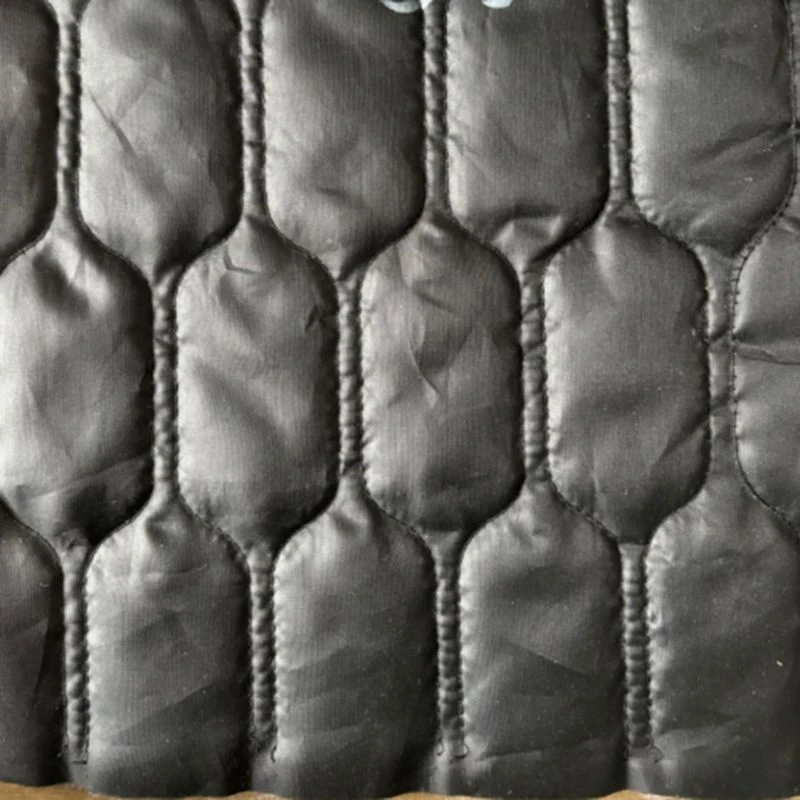
As a supplier of Patterned Quilted Fabric, I've witnessed firsthand the allure and charm these fabrics bring to various projects. Their intricate patterns and plush textures can transform ordinary spaces into something extraordinary, whether it's for home decor, fashion, or crafting. However, like any material, patterned quilted fabric comes with its own set of disadvantages. In this blog post, I'll delve into some of these drawbacks to provide a balanced view for those considering using this type of fabric.
Limited Stretchability
One of the primary disadvantages of patterned quilted fabric is its limited stretchability. Unlike some other types of fabrics, such as knits, quilted fabrics are typically constructed in a way that restricts their ability to stretch. This is due to the quilting process, which involves stitching multiple layers of fabric together. The stitching holds the layers in place, creating a more rigid structure that doesn't allow for much give.
For applications where stretch is essential, such as in sportswear or form-fitting garments, patterned quilted fabric may not be the best choice. It can feel restrictive and uncomfortable, especially during activities that require a wide range of motion. Additionally, limited stretchability can make it difficult to fit the fabric around curves or contours, which may result in a less flattering fit.
Higher Cost
Patterned quilted fabric is often more expensive than other types of fabrics. This is because the quilting process is labor-intensive and requires specialized equipment. The cost of materials, such as the fabric layers and batting, also adds to the overall expense. As a result, using patterned quilted fabric can significantly increase the cost of a project, especially for large-scale applications.
For budget-conscious consumers, the higher cost of patterned quilted fabric may be a deterrent. It can make it difficult to afford the quantity of fabric needed for a project, or it may force them to choose a less expensive alternative. However, it's important to note that the cost of patterned quilted fabric can vary depending on factors such as the quality of the materials, the complexity of the pattern, and the brand.
Difficulty in Cleaning
Cleaning patterned quilted fabric can be a challenge. The multiple layers of fabric and batting can trap dirt, stains, and odors, making it difficult to remove them effectively. Additionally, the quilting stitches can make it challenging to reach all areas of the fabric, especially if there are intricate patterns or designs.
Machine washing patterned quilted fabric can be risky, as the agitation and spinning can cause the layers to shift or the stitches to come loose. This can result in a lumpy or uneven appearance, or it may even damage the fabric. Hand washing is a more gentle option, but it can be time-consuming and labor-intensive, especially for large pieces of fabric.
Bulky and Heavy
Patterned quilted fabric is typically bulkier and heavier than other types of fabrics. This is because it consists of multiple layers of fabric and batting, which add thickness and weight. While this can be an advantage in some applications, such as in winter clothing or bedding, it can also be a drawback in others.
For example, using patterned quilted fabric in summer clothing or lightweight accessories can make them feel too warm and cumbersome. The bulkiness of the fabric can also make it difficult to work with, especially when sewing or cutting. It may require more effort and precision to manipulate the fabric, which can slow down the production process.
Limited Breathability
Another disadvantage of patterned quilted fabric is its limited breathability. The multiple layers of fabric and batting can restrict air circulation, making it difficult for the skin to breathe. This can lead to discomfort, especially in warm or humid environments.
For applications where breathability is important, such as in activewear or bedding, patterned quilted fabric may not be the best choice. It can cause sweating and overheating, which can be unpleasant and may even lead to skin problems. However, some manufacturers are now producing quilted fabrics with breathable materials or designs that allow for better air circulation.
Pattern Fading
Over time, the patterns on patterned quilted fabric may fade. This is especially true if the fabric is exposed to sunlight or harsh chemicals. The fading can make the fabric look dull and less attractive, which can be a problem for applications where the pattern is a key feature.
To prevent pattern fading, it's important to take proper care of the fabric. This includes avoiding direct sunlight, using gentle detergents, and following the manufacturer's cleaning instructions. Additionally, some fabrics are treated with special coatings or dyes that are more resistant to fading.

Limited Availability
Depending on the specific pattern or design, patterned quilted fabric may have limited availability. This can make it difficult to find the exact fabric you need for a project, especially if you have specific color or pattern requirements.
If you're unable to find the fabric you need locally, you may need to order it online. However, this can be a time-consuming and expensive process, especially if you need to order from a foreign supplier. Additionally, there may be shipping delays or customs issues that can further complicate the process.
Conclusion
While patterned quilted fabric has many advantages, it's important to be aware of its disadvantages before using it in a project. Limited stretchability, higher cost, difficulty in cleaning, bulkiness and heavy weight, limited breathability, pattern fading, and limited availability are all factors that should be considered when choosing a fabric.
However, despite these drawbacks, patterned quilted fabric remains a popular choice for many applications due to its unique appearance and texture. If you're willing to accept the challenges and take proper care of the fabric, it can be a great addition to your project.
If you're interested in purchasing patterned quilted fabric for your next project, I invite you to explore our selection of Wave Pattern Quilted Fabric, Quilted Fabric with Non-woven Backing, Partially Quilted Fabric, Black Diamond Quilted Fabric, and All Over Quilted Fabric. We offer a wide range of patterns, colors, and styles to suit your needs. Contact us today to discuss your requirements and start your next project with confidence.
References
- Textile Institute. (2023). Handbook of Textile Fibre Structure. Woodhead Publishing.
- Tortora, P. G., & Merkel, J. K. (2022). Fairchild's Dictionary of Textiles. Fairchild Books.
- Vigo, T. L. (2021). Textile Processing and Properties: Preparation, Dyeing, Printing, Finishing, and Performance. Elsevier.