

As a seasoned supplier of lightweight quilted fabrics, I've had the privilege of exploring a vast array of textures that not only add aesthetic value but also enhance the functionality of these fabrics. Lightweight quilted fabrics are highly sought - after for their versatility, making them suitable for various applications, from fashion to home decor. In this blog, I'll delve into the different textures available in lightweight quilted fabrics, giving you a comprehensive understanding of what each has to offer.
Smooth and Sleek Textures
Smooth and sleek textures are a classic choice in lightweight quilted fabrics. These fabrics have a polished surface that gives them a modern and refined look. The smoothness also adds to their comfort, making them ideal for clothing items such as blouses, jackets, and lingerie.
In terms of construction, smooth textures are often achieved through tight stitching and a fine - grained base fabric. This results in a fabric that is not only soft to the touch but also has a certain durability. The lack of rough edges or raised patterns ensures that the fabric glides smoothly against the skin, reducing irritation.
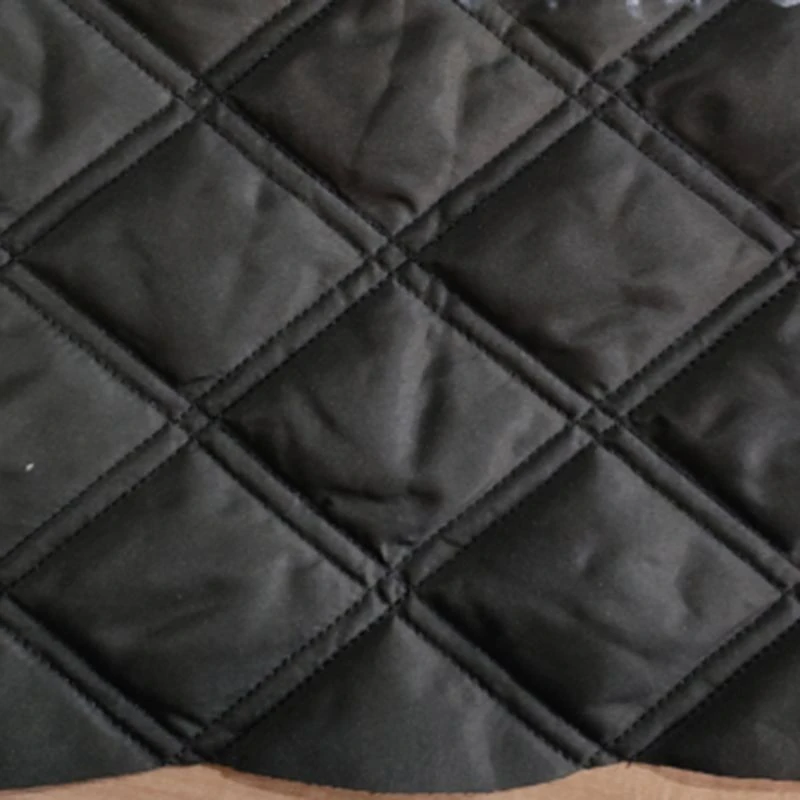
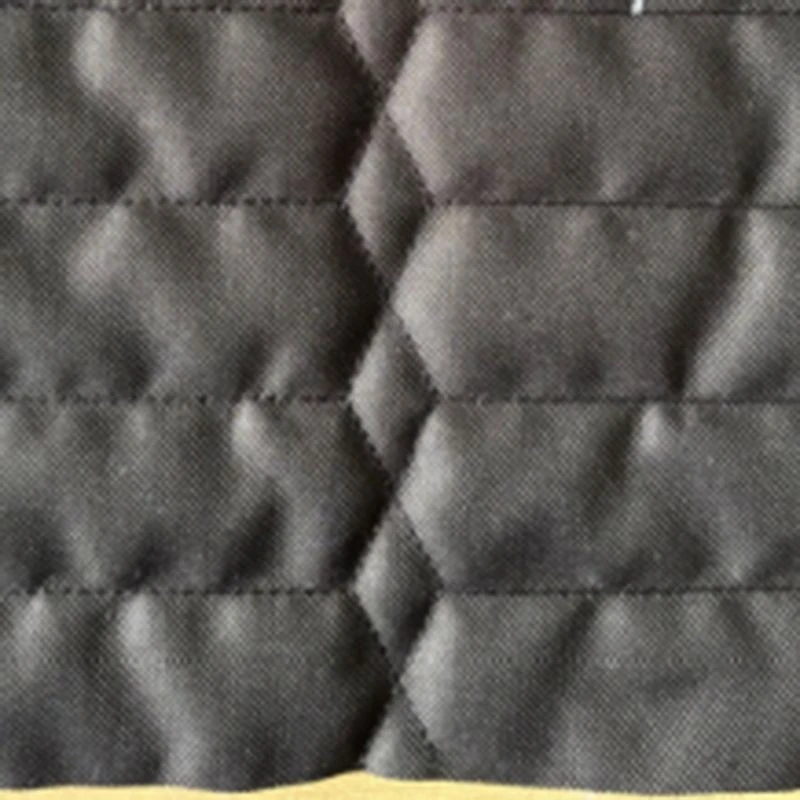
One of our popular smooth - textured offerings is the Black Floral Quilt Fabric. The black base with delicate floral quilting creates a sophisticated look, while the smooth texture adds a touch of luxury. It's a great choice for evening wear or for adding an elegant touch to home decor items like throw pillows.
Rubbed and Textured Finish
A rubbed or textured finish gives lightweight quilted fabrics a more rustic and lived - in look. This texture is created by treating the fabric in a way that raises the fibers on the surface, giving it a slightly fuzzy or napped appearance. The rubbed texture not only adds visual interest but also enhances the fabric's warmth and softness.
This type of texture is perfect for creating a cozy and inviting atmosphere. In the world of fashion, it can be used to make winter scarves, hats, and sweaters. For home decor, it's excellent for blankets, curtains, and upholstery. Our Partially Quilted Fabric with a rubbed finish is a great example. The partial quilting combined with the rubbed texture creates a unique and stylish look that is sure to stand out.
Waffle and Honeycomb Textures
Waffle and honeycomb textures are characterized by their geometric patterns of raised and indented areas. These textures are not only visually appealing but also offer practical benefits. The raised areas provide insulation, making them suitable for colder climates, while the indented areas allow for better air circulation.
In clothing, waffle - and honeycomb - textured lightweight quilted fabrics are often used for outerwear, such as vests and jackets. They add a layer of warmth without being overly bulky. For home decor, they can be used to make bath mats, table runners, and wall hangings. Our Black Diamond Quilted Fabric features a waffle - like diamond pattern that is both stylish and functional.
Embroidered and Embellished Textures
Embroidered and embellished textures take lightweight quilted fabrics to the next level of elegance. These textures involve adding decorative elements such as stitching, beads, sequins, or appliques to the fabric. The result is a fabric that is not only visually stunning but also a work of art.
In the fashion industry, embroidered and embellished lightweight quilted fabrics are used for formal wear, such as evening gowns and bridal dresses. For home decor, they can be used to create luxurious curtains, bedspreads, and wall art. Our Square Pattern Quilted Fabric with delicate embroidery is a beautiful option. The square pattern provides a structured base for the embroidery, creating a balanced and eye - catching design.
3D and Raised Textures
3D and raised textures create a sense of depth and dimension in lightweight quilted fabrics. These textures are achieved through techniques such as puff quilting or using specialty batting materials. The raised areas create a tactile and visual impact that makes the fabric stand out.
In fashion, 3D and raised textures can be used for statement pieces, such as jackets with raised floral patterns or tops with textured borders. In home decor, they can be used to create bold accent pieces, such as wall panels or decorative pillows. Our Sddd fabric features an interesting 3D texture that adds a modern and contemporary touch to any project.
Considerations for Choosing the Right Texture
When choosing the texture of a lightweight quilted fabric, several factors need to be considered. Firstly, the intended use of the fabric is crucial. If it's for clothing, comfort and durability are important. For home decor, the texture should complement the overall style of the room.
Secondly, color and pattern play a role. A bold texture may work better with a simple color and pattern, while a more subtle texture can be paired with a complex print.
Finally, the care and maintenance of the fabric should be taken into account. Some textures may require more delicate handling, such as hand - washing or dry - cleaning.
Conclusion
In conclusion, the world of lightweight quilted fabrics offers a wide range of textures to choose from. Whether you're looking for a smooth and sleek fabric for a modern look, a rustic rubbed texture for a cozy feel, or an embellished fabric for a touch of luxury, there's a texture that will suit your needs. Each texture brings its own unique qualities and can transform a simple project into a masterpiece.
If you're interested in exploring these wonderful lightweight quilted fabrics further, I invite you to reach out and start a conversation about your specific requirements. We can discuss the best textures, colors, and quantities for your project. Whether you're a fashion designer, a home decorator, or a retailer, we're here to provide you with high - quality lightweight quilted fabrics that meet your standards. Let's work together to bring your creative visions to life.
References
- "The Art of Quilting: Techniques and Designs" by Jane Smith
- "Textile Handbook: A Comprehensive Guide to Fabrics" by John Doe
- "Fashion Fabrication: Materials and Methods" by Sarah Johnson