

When venturing into the world of quilting projects, one common question that often arises is, "Can I mix different types of quilted fabric in a project?" As a seasoned quilted fabric supplier, I've seen this query come up time and time again from both novice and experienced quilters. In this blog post, I'll delve into the possibilities, challenges, and best practices of combining various quilted fabrics to help you create stunning and unique pieces.
The Allure of Mixing Different Quilted Fabrics
The decision to mix different types of quilted fabrics can open up a world of creative opportunities. Each type of quilted fabric has its own characteristics, including texture, pattern, weight, and color. By combining these elements, you can add depth, interest, and a personal touch to your quilting projects. For example, a project might benefit from the soft, cozy feel of a Lightweight Quilted Fabric paired with the bold statement of a Patterned Quilted Fabric.
One of the primary advantages of mixing fabrics is the ability to create a visually dynamic piece. Different patterns can add movement and variety, while contrasting textures can provide a tactile experience. For instance, a smooth, satin-like quilted fabric can be paired with a more rustic, textured fabric to create an interesting juxtaposition. This combination can make your quilt stand out and become a focal point in any room.
Considerations Before Mixing Fabrics
Before you start combining different types of quilted fabrics, there are several factors to keep in mind. First and foremost, consider the overall theme and style of your project. Are you going for a modern, minimalist look, or a more traditional, eclectic feel? The answer to this question will guide your fabric choices and help you determine which combinations will work best.
Another important consideration is the color palette. When mixing fabrics, it's essential to choose colors that complement each other. You can opt for a monochromatic scheme, where you use different shades of the same color, or a complementary scheme, where you pair colors that are opposite each other on the color wheel. For example, a Black Floral Quilt Fabric can be paired with a lighter, complementary color to create a striking contrast.
The weight and thickness of the fabrics are also crucial factors. If you're using fabrics of different weights, you'll need to ensure that they are compatible in terms of handling and sewing. For instance, a heavy, thick quilted fabric may not work well with a very lightweight fabric, as it can cause uneven stitching and a lumpy appearance. It's a good idea to test sew a small sample of the fabrics together before starting your project to see how they work.
Types of Quilted Fabrics and Their Compatibility
There are various types of quilted fabrics available in the market, each with its own unique properties. Let's take a look at some common types and how they can be mixed:
- Partially Quilted Fabric: Partially Quilted Fabric is a great option for adding dimension and interest to your projects. It has areas that are quilted and areas that are not, which can create a unique visual effect. This type of fabric can be paired with fully quilted fabrics to add a touch of contrast. For example, you can use a partially quilted fabric as a border or accent piece in a quilt made primarily of fully quilted fabric.
- Patterned Quilted Fabric: Patterned quilted fabrics come in a wide range of designs, from floral and geometric to abstract and ethnic. When mixing patterned fabrics, it's important to consider the scale of the patterns. You can pair a large-scale pattern with a small-scale pattern to create a balanced look. For instance, a Patterned Quilted Fabric with a large floral design can be combined with a fabric with a small, intricate geometric pattern.
- Lightweight Quilted Fabric: Lightweight quilted fabrics are perfect for projects that require a soft, drapey feel. They can be easily layered with other fabrics to add warmth and texture. For example, you can pair a lightweight quilted fabric with a heavier, thicker fabric to create a quilt that is both cozy and visually appealing. Lightweight Quilted Fabric is also a great option for summer quilts or projects that require a more breathable fabric.
Tips for Successful Fabric Mixing
Here are some tips to help you mix different types of quilted fabrics successfully:
- Start Small: If you're new to fabric mixing, start with a small project, such as a wall hanging or a pillow. This will allow you to experiment with different fabric combinations without committing to a large quilt.
- Use a Fabric Swatch Book: Keep a fabric swatch book to collect samples of different quilted fabrics. This will make it easier for you to visualize how different fabrics will look together and help you make informed decisions.
- Test Sewing: Before starting your project, test sew a small sample of the fabrics you plan to use. This will help you determine if the fabrics are compatible in terms of handling, stitching, and appearance.
- Balance the Elements: When mixing fabrics, strive for a balance between patterns, textures, and colors. Too many bold patterns or contrasting colors can make your project look chaotic, while too many similar fabrics can make it look dull.
Challenges and How to Overcome Them
Mixing different types of quilted fabrics can present some challenges, but with the right approach, you can overcome them. One common challenge is dealing with different fabric shrinkage rates. Some fabrics may shrink more than others when washed, which can cause your quilt to warp or become uneven. To avoid this, pre-wash all your fabrics before starting your project to ensure that they shrink to their final size.
Another challenge is matching the seams of different fabrics. When sewing fabrics with different patterns or textures, it can be difficult to align the seams properly. To make this easier, use a pinning technique to hold the fabrics together and sew slowly and carefully. You can also use a seam ripper to correct any mistakes.
Conclusion
In conclusion, mixing different types of quilted fabrics in a project is not only possible but can also result in stunning and unique creations. By considering the overall theme, color palette, weight, and compatibility of the fabrics, and following the tips and techniques outlined in this blog post, you can create quilts and other projects that are truly one-of-a-kind.
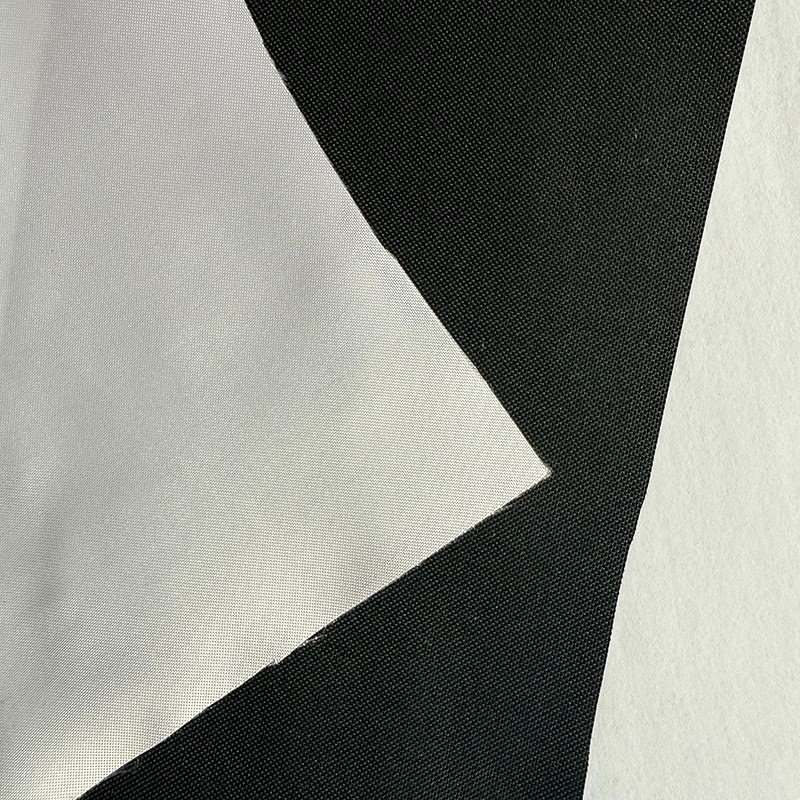
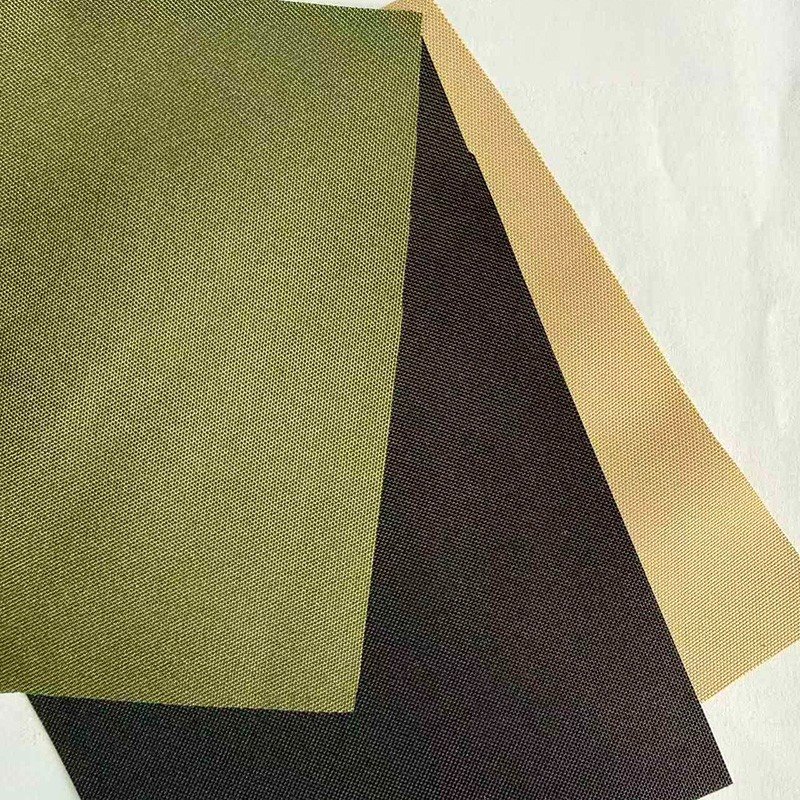
As a quilted fabric supplier, I'm here to support you in your creative journey. Whether you're looking for Black Floral Quilt Fabric, Sddd, or any other type of quilted fabric, I have a wide range of options available to meet your needs. If you have any questions or need help with fabric selection, please don't hesitate to contact me. I'm always happy to assist you in bringing your quilting projects to life.
References
- "The Complete Guide to Quilting Fabrics" by Quilting Experts
- "Fabric Mixing Techniques for Quilters" by Craft Magazine