

Is lightweight quilted fabric breathable? This is a question that often comes up when people are considering using this type of fabric for various applications. As a supplier of Lightweight Quilted Fabric, I have had the opportunity to explore this topic in depth and share my insights with you.
Understanding Lightweight Quilted Fabric
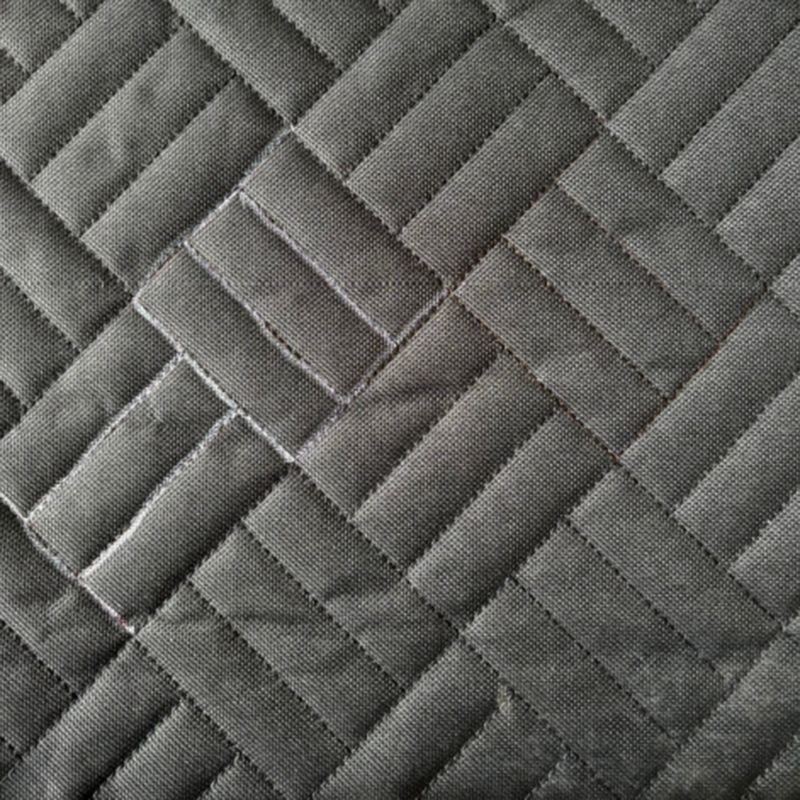
Before we delve into the breathability of lightweight quilted fabric, let's first understand what it is. Lightweight quilted fabric is a type of fabric that is made by stitching together multiple layers of fabric, typically with a layer of batting in between. The stitching creates a pattern of small, evenly spaced dots or lines, which not only adds a decorative element but also helps to hold the layers together.
Lightweight quilted fabric is known for its softness, warmth, and durability. It is commonly used in a variety of applications, including bedding, clothing, upholstery, and accessories. Due to its lightweight nature, it is particularly suitable for use in warmer climates or during the summer months.
Factors Affecting Breathability
The breathability of a fabric refers to its ability to allow air and moisture to pass through it. Several factors can affect the breathability of lightweight quilted fabric, including:
1. Fabric Composition
The type of fabric used in the construction of the quilted fabric plays a significant role in its breathability. Natural fibers such as cotton, linen, and silk are generally more breathable than synthetic fibers such as polyester and nylon. This is because natural fibers have a porous structure that allows air and moisture to pass through more easily.
For example, cotton is a popular choice for lightweight quilted fabric because it is soft, comfortable, and highly breathable. It can absorb moisture from the skin and release it into the air, keeping the body cool and dry. On the other hand, polyester is a synthetic fiber that is less breathable and can trap heat and moisture, making it less suitable for use in warm weather.
2. Batting Material
The batting material used in the quilted fabric also affects its breathability. Batting is the layer of insulation that is placed between the top and bottom layers of fabric. There are several types of batting materials available, including cotton, wool, polyester, and rayon.
Cotton batting is a popular choice because it is natural, breathable, and hypoallergenic. It allows air to circulate freely through the fabric, keeping the body cool and comfortable. Wool batting is another option that is known for its warmth and breathability. It can absorb moisture without feeling damp and can also help to regulate body temperature.
Polyester batting, on the other hand, is less breathable than natural batting materials. It can trap heat and moisture, making it less suitable for use in warm weather. Rayon batting is a man-made fiber that is similar to cotton in terms of its breathability, but it is not as durable as cotton.
3. Quilting Pattern
The quilting pattern used in the fabric can also affect its breathability. A dense quilting pattern with small stitches can restrict the movement of air and moisture through the fabric, making it less breathable. On the other hand, a looser quilting pattern with larger stitches can allow more air and moisture to pass through the fabric, increasing its breathability.
For example, All Over Quilted Fabric with a tight quilting pattern may be less breathable than Partially Quilted Fabric with a looser pattern. The partially quilted fabric allows for more airflow between the layers of fabric, which can help to keep the body cool and comfortable.
4. Backing Material
The backing material used in the quilted fabric can also affect its breathability. Some lightweight quilted fabrics are backed with a non-woven material, such as Quilted Fabric with Non-woven Backing. Non-woven materials can be less breathable than woven fabrics because they have a more compact structure that can restrict the movement of air and moisture.
However, some non-woven materials are designed to be breathable and can allow air and moisture to pass through them. It is important to choose a backing material that is appropriate for the intended use of the fabric and that provides the desired level of breathability.

Benefits of Breathable Lightweight Quilted Fabric
Using breathable lightweight quilted fabric offers several benefits, including:
1. Comfort
Breathable fabric allows air to circulate freely around the body, keeping it cool and comfortable. This is particularly important in warm weather or during physical activity when the body tends to sweat. By allowing moisture to evaporate, breathable fabric can help to prevent the feeling of dampness and stickiness, which can be uncomfortable.
2. Health
Breathable fabric can also have a positive impact on health. When the body is able to breathe freely, it can maintain a healthy temperature and reduce the risk of skin irritation and other health problems. In addition, breathable fabric can help to prevent the growth of bacteria and fungi, which can cause unpleasant odors and infections.
3. Durability
Breathable fabric is often more durable than non-breathable fabric because it is less likely to trap moisture and heat, which can cause the fabric to deteriorate over time. By allowing air and moisture to pass through the fabric, breathable fabric can help to extend its lifespan and keep it looking and feeling its best.
Applications of Breathable Lightweight Quilted Fabric
Breathable lightweight quilted fabric can be used in a variety of applications, including:
1. Bedding
Lightweight quilted fabric is a popular choice for bedding because it is soft, comfortable, and breathable. It can help to keep the body cool and dry while sleeping, making it ideal for use in warm climates or during the summer months. Quilted blankets and comforters are also a great way to add a decorative touch to a bedroom.
2. Clothing
Lightweight quilted fabric can be used to make a variety of clothing items, including jackets, vests, shirts, and dresses. It is particularly suitable for use in outerwear because it provides warmth without being too heavy. Quilted clothing can also be stylish and fashionable, making it a popular choice for both men and women.
3. Upholstery
Lightweight quilted fabric can be used to upholster furniture, such as sofas, chairs, and ottomans. It can add a touch of elegance and comfort to any room. Quilted upholstery is also durable and easy to clean, making it a practical choice for everyday use.
4. Accessories
Lightweight quilted fabric can be used to make a variety of accessories, including bags, wallets, hats, and scarves. It is a versatile material that can be used to create unique and stylish designs. Quilted accessories can also be functional and practical, making them a popular choice for both men and women.
Conclusion
In conclusion, the breathability of lightweight quilted fabric depends on several factors, including the fabric composition, batting material, quilting pattern, and backing material. By choosing the right materials and design, it is possible to create a lightweight quilted fabric that is both breathable and comfortable.
As a supplier of Lightweight Quilted Fabric, I am committed to providing high-quality products that meet the needs of my customers. If you are interested in learning more about our lightweight quilted fabric or would like to discuss your specific requirements, please do not hesitate to contact us. We look forward to working with you and helping you find the perfect fabric for your project.
References
- Textile Institute. (2023). Handbook of Textile Science and Technology. Woodhead Publishing.
- ASTM International. (2023). Standard Test Methods for Air Permeability of Textile Fabrics. ASTM D737.
- Schindler, W. D., & Hauser, P. J. (2004). Chemical Finishing of Textiles. Woodhead Publishing.