

As a supplier of quilted fabric, I often encounter questions from customers about how to measure quilted fabric accurately. Measuring quilted fabric is not as straightforward as measuring regular fabric due to its unique construction and characteristics. In this blog post, I will share some practical methods and considerations for measuring quilted fabric.
Understanding the Basics of Quilted Fabric
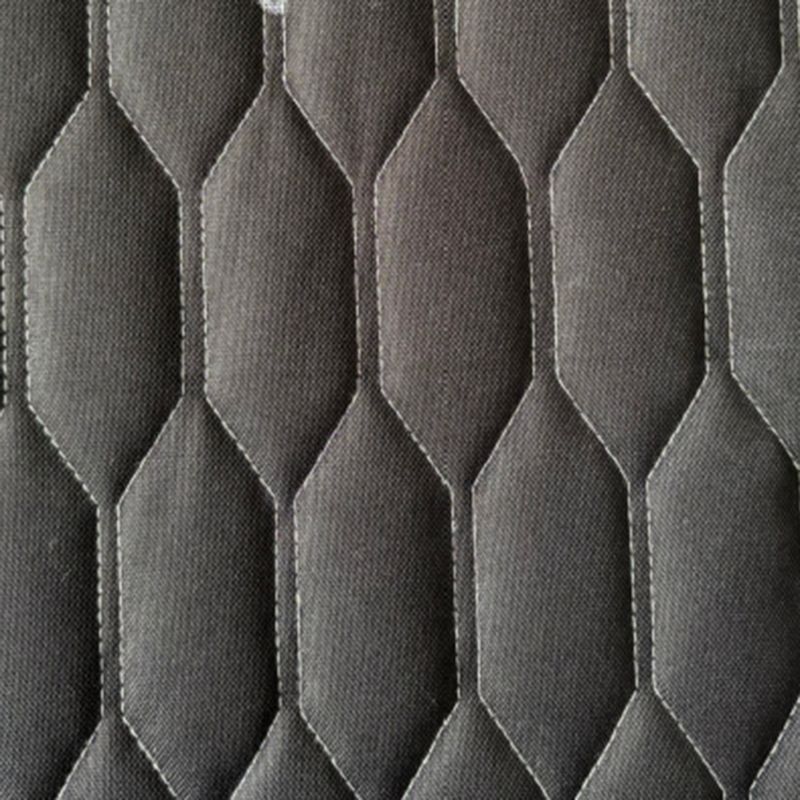
Before we delve into the measurement techniques, it's essential to understand what quilted fabric is. Quilted fabric is made by sandwiching a layer of batting between two layers of fabric and stitching them together in a pattern. This process creates a three - dimensional texture and adds warmth and durability to the fabric.
There are various types of quilted fabric available in the market, such as Lightweight Quilted Fabric, Quilted Fabric with Non - woven Backing, Patterned Quilted Fabric, Wave Pattern Quilted Fabric, and Black Floral Quilt Fabric. Each type may have different characteristics that can affect the measurement process.
Tools Needed for Measuring Quilted Fabric
To measure quilted fabric accurately, you will need the following tools:
- Measuring Tape: A flexible measuring tape is the most commonly used tool for measuring fabric. Make sure it is long enough to measure the length and width of the fabric you need.
- Straight Edge: A straight edge, such as a ruler or a yardstick, can be used to ensure that the fabric is measured in a straight line. This is especially important when measuring large pieces of fabric.
- Scissors or Rotary Cutter: You may need to cut the fabric to the desired size after measuring it. A sharp pair of scissors or a rotary cutter can make the cutting process easier and more precise.
Measuring the Width of Quilted Fabric
The width of quilted fabric is usually measured from selvage to selvage. The selvage is the finished edge of the fabric that runs parallel to the lengthwise grain. To measure the width:
- Lay the quilted fabric flat on a clean, smooth surface. Make sure the fabric is not wrinkled or stretched.
- Place the measuring tape at one selvage and extend it across the fabric to the other selvage. Read the measurement at the point where the tape meets the opposite selvage.
- Record the width measurement. Keep in mind that the width of quilted fabric may vary slightly due to the manufacturing process, so it's a good idea to measure at a few different points along the length of the fabric and take an average.
Measuring the Length of Quilted Fabric
Measuring the length of quilted fabric is similar to measuring the width, but there are a few additional considerations.
- Determine the Grain Direction: Quilted fabric has a lengthwise grain and a crosswise grain. The lengthwise grain runs parallel to the selvage, while the crosswise grain runs perpendicular to the selvage. It's important to measure the fabric along the lengthwise grain to ensure that the measurement is accurate.
- Lay the Fabric Flat: Place the quilted fabric on a flat surface and smooth out any wrinkles or folds. If the fabric is too long to lay flat, you can fold it in half or in quarters, but make sure to measure the entire length of the fabric.
- Measure from End to End: Use the measuring tape to measure the length of the fabric from one end to the other. Start at the edge of the fabric and extend the tape along the lengthwise grain until you reach the opposite end. Read the measurement at the end of the tape.
- Account for Any Pattern Repeats: If the quilted fabric has a pattern, you may need to account for the pattern repeat when measuring the length. A pattern repeat is the distance between the start of one pattern and the start of the next. To ensure that the pattern matches up correctly, measure the length of the fabric in multiples of the pattern repeat.
Measuring for Specific Projects
The measurement requirements for quilted fabric may vary depending on the project you are working on. Here are some common projects and how to measure the fabric for them:
Quilts
When making a quilt, you will need to measure the fabric for the quilt top, backing, and binding.
- Quilt Top: Measure the length and width of the quilt top based on the desired size of the finished quilt. Add a few extra inches to each measurement to allow for seam allowances and shrinkage.
- Backing: The backing fabric should be at least 4 - 6 inches larger than the quilt top on all sides. Measure the length and width of the quilt top and add the extra inches to get the measurement for the backing fabric.
- Binding: To measure the binding fabric, calculate the perimeter of the quilt top. Multiply the length of the quilt top by 2 and add it to the width of the quilt top multiplied by 2. Then, add a few extra inches for seam allowances.
Pillows
For pillow covers, measure the length and width of the pillow insert. Add 1 - 2 inches to each measurement to allow for seam allowances. If you are making a pillow with a zipper or an envelope closure, you may need to adjust the measurements accordingly.
Clothing
When using quilted fabric for clothing, you will need to take body measurements and use a pattern to determine the amount of fabric needed. Make sure to account for the grain direction and any pattern repeats when cutting the fabric.
Considerations for Measuring Quilted Fabric
There are a few additional considerations to keep in mind when measuring quilted fabric:
- Shrinkage: Quilted fabric may shrink when washed, especially if it contains natural fibers. To account for shrinkage, it's a good idea to pre - wash the fabric before measuring and cutting it. Measure the fabric after it has dried to get the accurate size.
- Thickness: The thickness of quilted fabric can make it more difficult to measure accurately. Make sure to use a measuring tape that can easily wrap around the fabric without compressing it.
- Pattern Alignment: If the quilted fabric has a pattern, make sure to align the pattern correctly when measuring and cutting the fabric. This will ensure that the finished project looks professional and visually appealing.
Conclusion
Measuring quilted fabric accurately is essential for ensuring the success of your projects. By using the right tools and following the proper techniques, you can measure the fabric with confidence and achieve the desired results. Whether you are making a quilt, a pillow, or clothing, taking the time to measure the fabric correctly will save you time and effort in the long run.
If you are interested in purchasing high - quality quilted fabric for your projects, we are here to help. We offer a wide range of quilted fabric options, including Lightweight Quilted Fabric, Quilted Fabric with Non - woven Backing, Patterned Quilted Fabric, Wave Pattern Quilted Fabric, and Black Floral Quilt Fabric. Contact us for more information and to discuss your specific requirements. We look forward to working with you!
References
- "The Complete Guide to Quilting" by Mary Fons and Jodie Davis
- "Fabric Sewing Techniques" by Threads Magazine